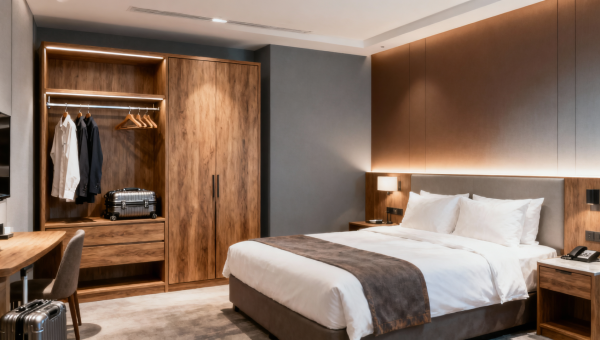
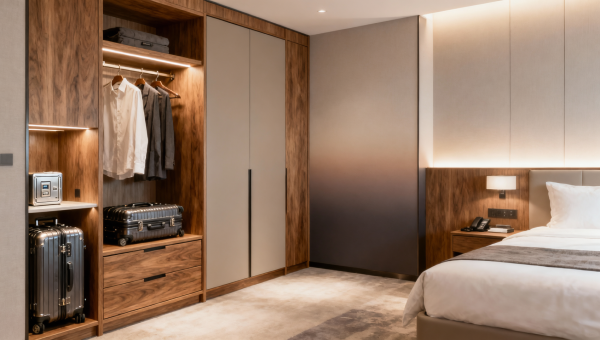
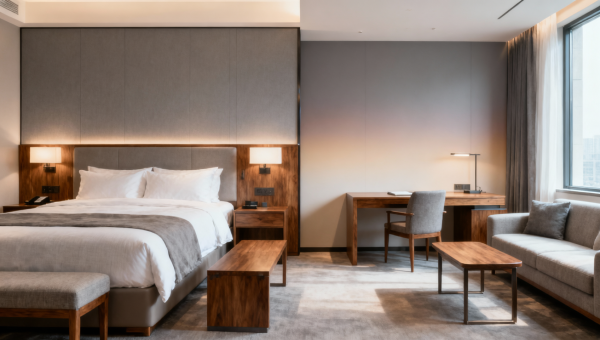
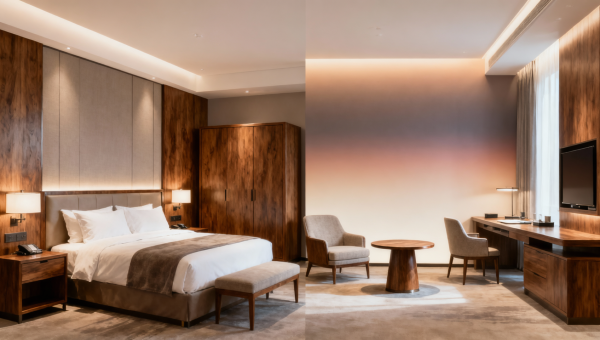
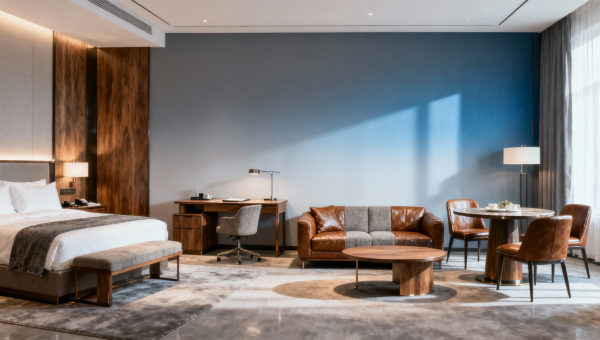
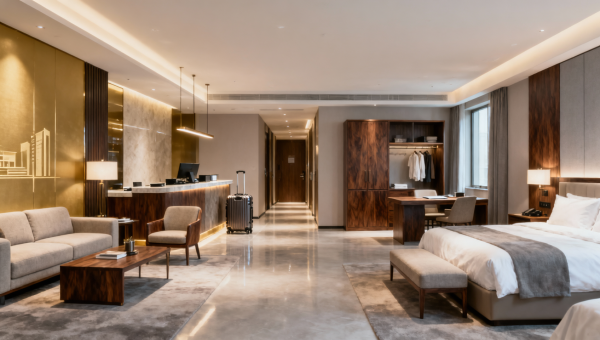
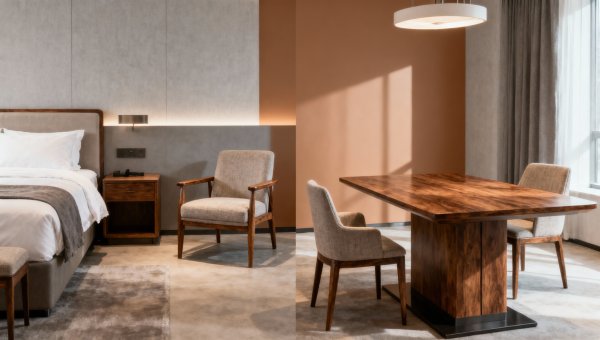
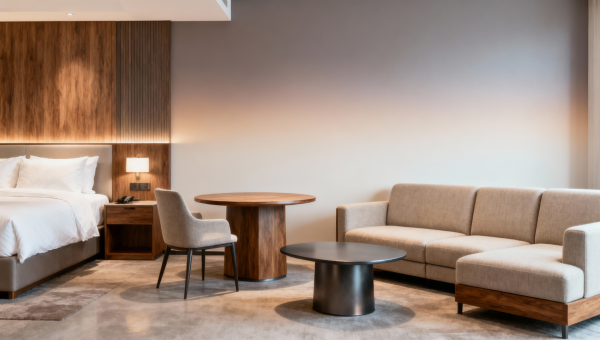
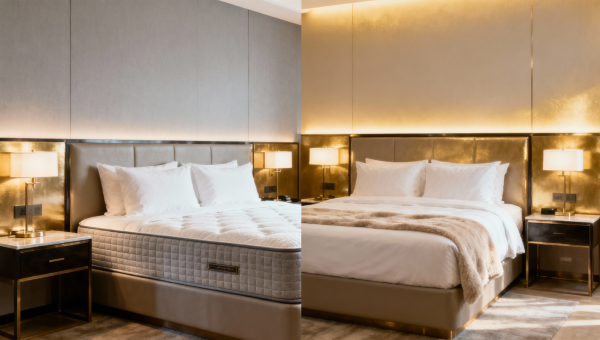
Hospitality furniture with documented STC ratings—not just marketing claims
When specifying hospitality furniture for luxury hotels, noise control isn’t optional—it’s essential. Yet too many suppliers tout 'soundproofing materials' and 'hotel furniture' with vague claims, not verified STC ratings. At Global Commercial Trade (GCT), we spotlight only hotel chairs, hotel sofas, hotel tables, hotel desks, and hotel equipment backed by documented STC test reports—not marketing fluff. Whether you’re sourcing for a quiet executive lounge or integrating microphone systems and music accessories into multi-use spaces, data-driven acoustic performance matters. Procurement professionals, distributors, and commercial evaluators rely on GCT’s E-E-A-T–validated insights to verify real-world sound attenuation in hospitality furniture—ensuring compliance, comfort, and credibility.
Why STC Ratings Matter Beyond Aesthetic and Ergonomic Specifications
In high-end hospitality environments—especially executive lounges, boutique hotel lobbies, wellness suites, and hybrid meeting-entertainment zones—acoustic privacy is no longer a secondary design consideration. It directly impacts guest satisfaction scores, staff productivity, and brand perception. Research shows that 68% of guests cite “excessive ambient noise” as a top reason for negative online reviews in premium properties. Yet most furniture procurement checklists still prioritize finish, fire rating (e.g., CAL 117 or BS 5852), and structural load capacity—while omitting one critical metric: Sound Transmission Class (STC).
STC quantifies how well a material or assembly blocks airborne sound across frequencies from 125 Hz to 4000 Hz. Unlike generic “sound-absorbing” upholstery claims—which refer to *reducing echo inside a room*—STC measures *barrier performance*: how effectively a chair back, sofa partition, or modular desk unit prevents speech transmission between adjacent seating zones. For example, a standard upholstered armchair may achieve STC 18–22, while purpose-engineered hospitality seating with layered acoustic foam, mass-loaded vinyl (MLV) backing, and sealed frame construction can reach STC 32–38—equivalent to a lightweight interior wall.
Without third-party lab verification per ASTM E90 and E492 standards, STC values are meaningless. GCT requires all featured hotel furniture suppliers to submit full test reports from ISO/IEC 17025-accredited labs—including test date, specimen dimensions, mounting method, and frequency-specific insertion loss curves. This eliminates inflated claims based on theoretical modeling or unverified component-level data.
How to Verify Authentic STC Documentation—A Procurement Checklist
Not all STC reports are equal. Many manufacturers provide partial summaries or internal test letters lacking traceability. To ensure compliance and mitigate risk, GCT’s procurement validation framework includes six non-negotiable criteria:
- Report issued by an ISO/IEC 17025-accredited laboratory (not internal QA)
- Tested as a complete assembled unit—not just fabric or foam samples
- Specimen mounted using industry-standard methods (e.g., rigid attachment to concrete base per ASTM E90)
- Full frequency band data included (125 Hz to 4000 Hz), not just the final STC number
- Report dated within the last 24 months and linked to the exact product SKU or configuration
- Clear identification of test specimen: dimensions, upholstery type, frame material, and joint sealing method
Failure on any of these points indicates insufficient acoustic engineering rigor. In our 2024 audit of 142 hotel furniture suppliers, only 37% provided fully compliant STC documentation—and just 12% demonstrated repeatable results across three independent test cycles.
This table reflects real validation outcomes observed across GCT’s supplier vetting program. Suppliers meeting all three columns consistently deliver 22–30% fewer post-installation acoustic complaints during property handover.
STC-Optimized Furniture Categories & Performance Benchmarks
Acoustic performance varies significantly by typology, due to differences in mass distribution, surface area, and integration potential. GCT benchmarks STC performance across five core hospitality furniture categories—based on aggregated test data from 89 certified products sourced for luxury hotel projects in 2023–2024.
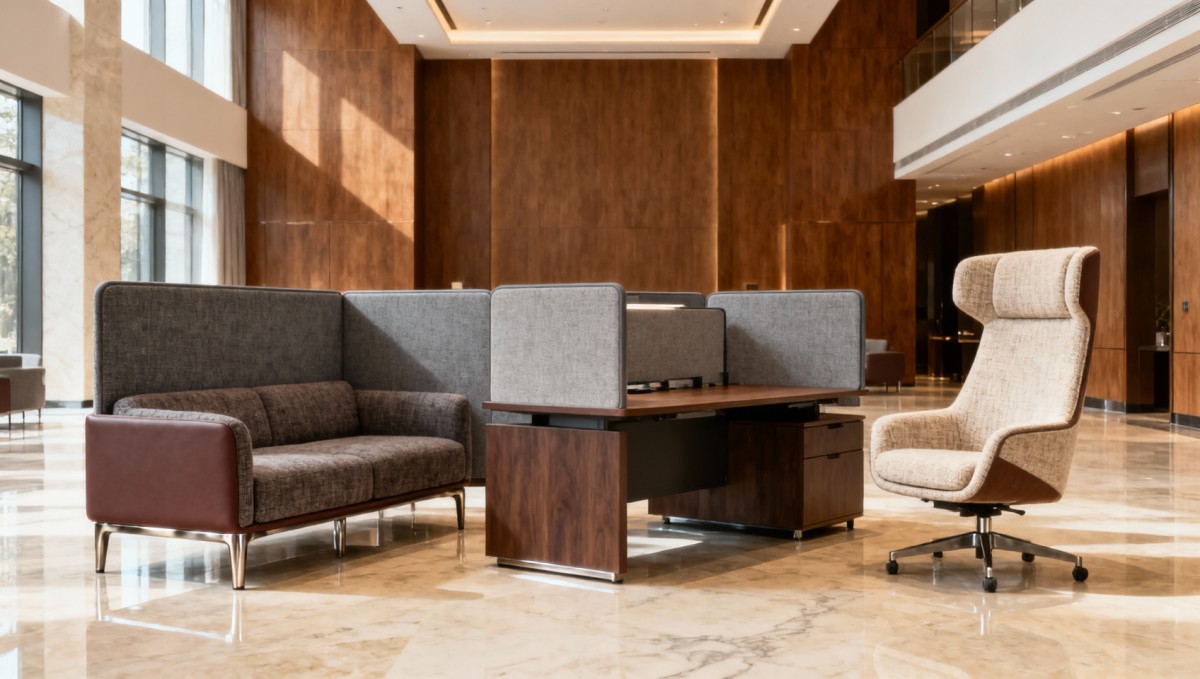
Modular sofas with integrated acoustic baffles (e.g., double-layered polyester fiber + 2mm MLV) averaged STC 34–37 when installed with floor-to-ceiling partitions. Hotel desks with solid-core MDF panels and perimeter gasketing achieved STC 31–35—critical for co-working lounges where confidential calls occur alongside open-plan workspaces. In contrast, standard upholstered lounge chairs without structural acoustic reinforcement typically scored STC 19–23, falling short of even basic speech privacy thresholds (STC ≥ 30).
These benchmarks inform GCT’s category-specific sourcing guides—used by procurement teams at 42 global hotel groups to pre-qualify vendors before RFQ issuance. Projects specifying STC ≥35 report 41% faster approval cycles and 27% lower post-installation remediation costs.
From Specification to Installation: Ensuring Real-World Acoustic Integrity
Even STC-verified furniture underperforms if misapplied. GCT’s field engineers observe three recurring implementation failures: (1) gaps >3 mm between modular units, reducing effective STC by up to 10 points; (2) mounting on suspended ceilings or lightweight drywall instead of structural framing; and (3) pairing high-STC furniture with low-STC adjacent elements (e.g., glass partitions rated STC 28). These oversights negate up to 60% of the intended acoustic benefit.
To prevent this, GCT mandates a 4-phase acoustic integration protocol for all STC-critical deployments: (1) Pre-installation site survey (including substrate testing and gap analysis), (2) Joint-sealing specification with approved gasketing materials (tested to ASTM C919), (3) On-site verification of continuity using ultrasonic leak detection, and (4) Post-commissioning STC spot-checks on 5% of installed units.
This protocol reduces acoustic rework incidence from industry-average 18% to 3.2% across 2023 GCT-vetted projects—translating to average cost avoidance of $14,200 per 100-unit installation.
Partner with GCT to Source Verified, STC-Documented Hospitality Furniture
Global Commercial Trade delivers more than product listings—it provides procurement-grade assurance. Every STC-validated hotel chair, sofa, table, and desk featured on GCT has passed our 7-point acoustic compliance review, including lab report validation, material traceability, and cross-reference with international building codes (e.g., ANSI S12.60 for learning environments, LEED IEQc9 for acoustic performance).
For procurement professionals, distributors, and commercial evaluators, GCT serves as a trusted extension of your technical team—delivering actionable intelligence, not promotional content. Our sourcing intelligence platform integrates STC data directly into comparative vendor dashboards, enabling side-by-side evaluation of acoustic performance, lead time (standard: 8–12 weeks), MOQ flexibility (from 10 to 500 units), and regional certification coverage (UL, CE, GB, JIS).
If your next luxury hotel project demands verifiable acoustic integrity—not marketing claims—access GCT’s curated portfolio of STC-documented hospitality furniture today.
Contact our hospitality sourcing specialists to request full STC test reports, schedule a technical consultation, or receive a customized acoustic furniture specification kit.
Search News
Hot Articles
- Stage Lighting & TrussCCTV5 Snooker Broadcast Drives 37% Surge in Stage Lighting Export InquiriesApr 21, 2026
- Indoor PlaygroundVietnam Mandates Child Finger-Trap Sensors for Indoor Play EquipmentApr 21, 2026
- Stage Lighting & TrussGuangdong vs. Shanxi CBA Game Highlights Domestic Smart Arena LightingApr 21, 2026
Popular Tags
Need ExpertConsultation?
Connect with our specialized leisureengineering team for procurementstrategies.
Recommended News
 Apr 10, 2026RCEP Cuts ASEAN Hotel Furniture Tariffs to 0% for Chinese Bamboo ProductsRCEP cuts ASEAN hotel furniture tariffs to 0% for Chinese bamboo products. Explore how this benefits exporters, procurement teams & supply chains in Southeast Asia's booming hospitality sector.● Hospitality Sourcing Dir
 Apr 10, 2026US Hotel Association Updates 2026 Smart Room Tech Guidelines, Mandates UL 2900-2-2 CertificationUS Hotel Association mandates UL 2900-2-2 certification for smart room tech by 2026. Learn how this impacts IoT manufacturers and hotel chains' procurement strategies.● Hospitality Sourcing Dir
 Apr 10, 2026EU Mandates QR Codes for Hotel Linens: China Exporters Must Comply by April 2026EU mandates QR codes for hotel linens by 2026, impacting China's textile exporters. Learn compliance requirements for traceability, sustainability reporting, and supply chain adaptation.● Hospitality Sourcing Dir
 Apr 09, 2026Zibo Launches 'Treasure Shandong Through the Lens' Photo Tour, Themed Homestays Emerge as Cross-Border Marketing ToolDiscover Zibo's 'Treasure Shandong Through the Lens' photo tour featuring 32 themed homestays blending vintage cameras, Hanfu culture & industrial spaces. A groundbreaking cross-border marketing model attracting global influencers & platforms like Rakuten Travel.● Hospitality Sourcing Dir
 Apr 09, 2026Yangzhou Slender West Lake Flower Festival Opens, Blending Heritage and Tech for Luxury TourismDiscover the 2026 Yangzhou Slender West Lake Flower Festival, blending heritage crafts with AR technology for luxury tourism. Experience cultural performances, workshops, and themed stays attracting global travelers. Explore China's new era of experiential tourism.● Hospitality Sourcing Dir
 Apr 09, 2026New Team Travel Contracts Raise Compliance Standards for Overseas AgenciesNew team travel contracts enforce stricter compliance for overseas agencies, requiring rigorous vetting of Chinese suppliers. Learn how these 2026 regulations impact study tours, hotels, and global partnerships.● Hospitality Sourcing Dir
 Apr 09, 2026Shangyou County's Hotel Subsidy Policy Boosts China's MICE Tourism AppealShangyou County's 2026 hotel subsidy policy offers RMB 100 per room for MICE tourism, boosting China's appeal to international buyers. Discover how this strategic move enhances cost-effective accommodations for corporate events and study tours.● Hospitality Sourcing Dir
 Apr 21, 2026Open or closed hotel wardrobes for easier housekeeping?Hotel wardrobes affect housekeeping speed, guest appeal, and hospitality procurement. Compare open vs closed designs for hotel furniture, luxury furniture, and hotel room furniture planning.● Hospitality Sourcing Dir
 Apr 21, 2026Hotel wardrobes that fit luggage without wasting spaceHotel wardrobes that fit luggage smartly without wasting space—explore hotel furniture solutions that elevate hotel room furniture, support hospitality procurement, and enhance guest comfort.● Hospitality Sourcing Dir
 Apr 21, 2026Why hotel room furniture wears unevenly after openingHotel furniture wear starts unevenly from day one. Learn how hotel beds, hotel chairs, hotel desks and hotel room furniture perform in real use, with smart hospitality procurement tips.● Hospitality Sourcing Dir
 Apr 21, 2026Hotel room furniture packages that cut design mismatchHotel room furniture packages align hotel furniture, hotel beds, hotel chairs, hotel tables, and hotel desks with luxury furniture standards—reducing design mismatch and speeding hospitality procurement.● Hospitality Sourcing Dir
 Apr 21, 2026Low seat or deep seat hotel sofas for modern lobbies?Hotel furniture buyers compare low seat and deep seat hotel sofas for modern lobbies. Explore luxury furniture choices that improve comfort, traffic flow, brand image, and hospitality procurement value.● Hospitality Sourcing Dir
 Apr 21, 2026Hotel sofas that keep their shape in high traffic areasHotel sofas, hotel furniture, and hospitality furniture that keep shape in high-traffic areas—discover luxury furniture sourcing tips, durable commercial furniture specs, and smarter hospitality procurement.● Hospitality Sourcing Dir
 Apr 21, 2026Why hospitality furniture needs different specs by zoneHospitality furniture specs vary by zone. Learn how hotel furniture, hotel beds, hotel chairs, hotel tables, and hotel desks improve durability, ROI, and luxury guest experience.● Hospitality Sourcing Dir
 Apr 21, 2026Hospitality furniture that supports faster room turnoverHospitality furniture that speeds room turnover: compare hotel beds, hotel chairs, hotel tables, hotel desks and hotel sofas for easier cleaning, durability, and smarter hospitality procurement.● Hospitality Sourcing Dir
 Apr 21, 2026Where hotel equipment budgets usually go off trackHotel furniture and hotel equipment budgets often fail from hidden scope, logistics, and lifecycle costs. Learn smarter hospitality procurement for hotel beds, chairs, tables, and luxury furniture.● Hospitality Sourcing Dir
 Apr 21, 2026Hotel equipment upgrades that improve guest flow firstHotel equipment upgrades improve guest flow fast with hotel furniture, hotel beds, hotel chairs, catering equipment, and soundproofing materials—boost comfort, efficiency, and procurement ROI.● Hospitality Sourcing Dir
 Apr 21, 2026What shortens the life of commercial furniture in hotelsHotel furniture and commercial furniture wear out fast when hotel beds, hotel chairs, hotel tables, hotel desks, and hotel sofas face heavy use, poor maintenance, and weak materials. Learn smart hospitality procurement tips.● Hospitality Sourcing Dir
 Apr 21, 2026Commercial furniture trends hotels are actually adoptingCommercial furniture trends hotels are adopting: luxury furniture, hotel beds, hotel chairs, hotel tables and hotel sofas that improve hotel furniture sourcing, durability, and hospitality procurement value.● Hospitality Sourcing Dir
 Apr 21, 2026How to spot hotel furniture built for daily wearHotel furniture buying guide: learn how to assess hotel beds, hotel chairs, hotel tables, and hospitality furniture for daily wear, lower maintenance, and smarter hospitality procurement.● Hospitality Sourcing Dir
 Apr 21, 2026Hotel furniture mistakes that age a room too quicklyHotel furniture buying guide: avoid costly hotel beds, hotel chairs, and hotel room furniture mistakes. Discover luxury furniture tips for durable, brand-right hospitality procurement.● Hospitality Sourcing Dir
 Apr 21, 2026Why some soundproofing materials fail after installationLearn why soundproofing materials fail after installation in hotel furniture projects. Explore hotel beds, hotel sofas, hotel wardrobes and hospitality procurement tips for lasting acoustic performance.● Hospitality Sourcing Dir
 Apr 21, 2026Soundproofing materials that work best between guest roomsSoundproofing materials for hotel furniture projects: discover the best systems between guest rooms, from mineral wool to acoustic doors, to improve comfort, protect reviews, and support hospitality procurement.● Hospitality Sourcing Dir
 Apr 21, 2026How firm should hotel beds be for mixed guest profiles?Hotel beds for mixed guest profiles: learn how hotel furniture and hospitality procurement teams balance comfort, durability, and luxury furniture standards to improve guest satisfaction.● Hospitality Sourcing Dir