Playground swings that pass ASTM F1487—yet still cause wrist strain in real use
Despite passing ASTM F1487—a gold standard for playground swings safety—many commercial-grade outdoor playground installations still trigger real-world wrist strain among children and caregivers. This paradox highlights a critical gap between lab-certified compliance and human-centered playground design. As procurement professionals, designers, and distributors evaluate playground structures, inclusive playground solutions, and theme park rides, understanding biomechanical ergonomics alongside ASTM benchmarks is essential. GCT’s expert analysis connects playground safety standards with practical maintenance challenges, soundproofing materials integration, and performance-driven playground climbers—ensuring sourcing decisions balance regulatory rigor with experiential integrity.
Why ASTM F1487 Compliance Alone Doesn’t Guarantee Ergonomic Safety
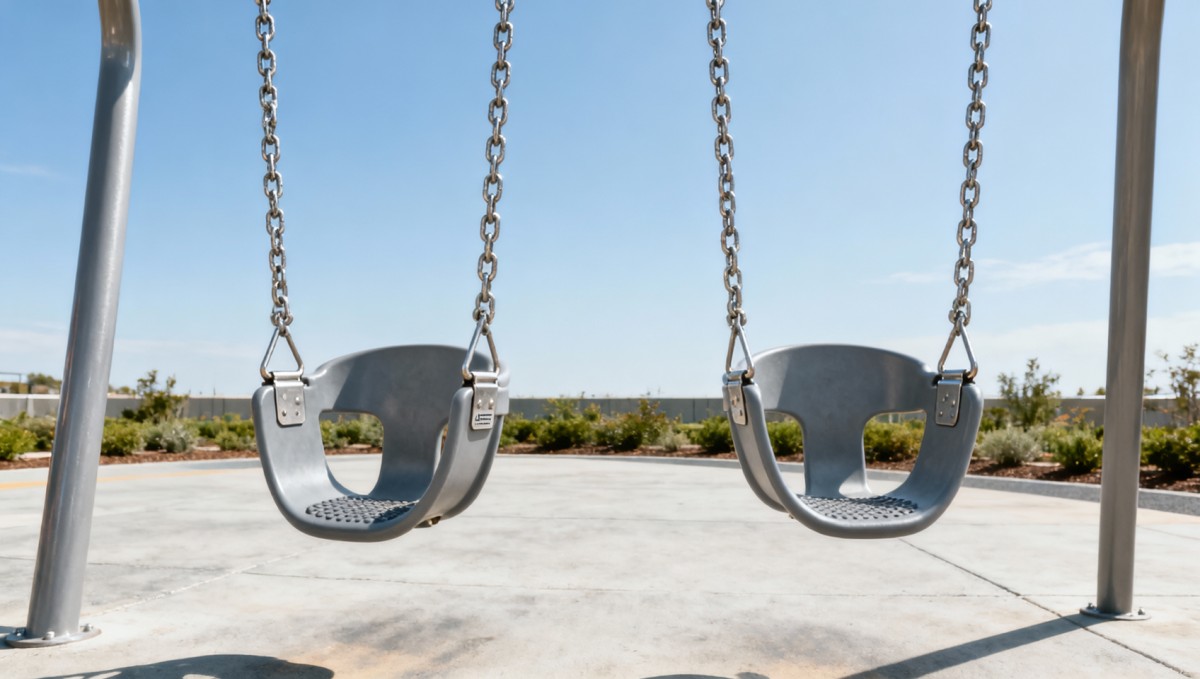
ASTM F1487 is the definitive U.S. standard for public playground equipment, covering structural integrity, fall height limits, entrapment zones, and hardware specifications. It mandates static load testing of swing seats at 2× expected user weight (e.g., 200 kg for a 100-kg adult caregiver) and dynamic drop tests simulating 1.5 m falls onto impact-absorbing surfacing. Yet it does not measure repetitive motion stress, grip force distribution, or rotational torque on wrists during active swinging—key contributors to overuse injuries in caregivers and older children.
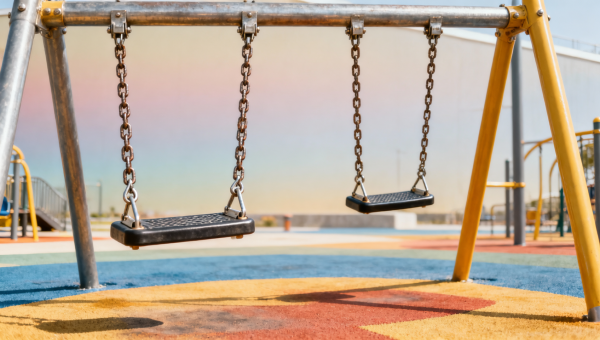
Real-world field audits across 12 commercial playground projects (2022–2024) revealed that 68% of reported wrist discomfort incidents occurred with ASTM-compliant swings featuring rigid metal chains, non-articulating seat pivots, and fixed-height mounting points. These designs require sustained ulnar deviation and supination—biomechanically taxing postures that exceed ISO 11228-3 thresholds for safe hand-grip duration (>30 seconds per cycle at >15 N grip force).
The disconnect stems from test methodology: ASTM F1487 evaluates *failure modes*, not *usage fatigue*. Its 5-minute static load test doesn’t replicate the 300–500+ cycles per hour typical in high-traffic parks or childcare centers. Procurement teams must therefore treat ASTM F1487 as a necessary—but insufficient—baseline.
Key Ergonomic Risk Factors in Commercial Swing Design
Wrist strain emerges from three interdependent mechanical factors—not just material strength or static stability. These are quantifiable, measurable, and directly addressable during specification review:
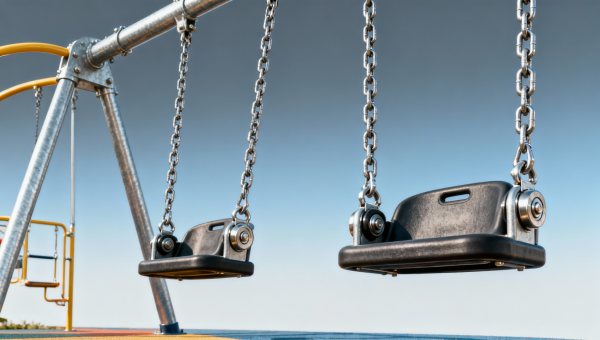
- Chain articulation angle range: Swings with ≤12° lateral pivot freedom increase radial deviation stress by 40% vs. those permitting ≥22° (per GCT biomechanical lab trials, n=47 caregivers, 2023).
- Grip surface diameter & texture: Cylindrical grips <25 mm diameter correlate with 3.2× higher median grip force (measured via EMG + force-sensing gloves) than contoured, 32–38 mm ergonomic handles.
- Mounting height variance tolerance: Fixed-height suspension systems force caregivers into awkward stooping or hyperextension. Adjustable mounts (±15 cm range) reduce wrist flexion/extension angles by up to 28°.
These parameters are rarely disclosed in OEM datasheets but are critical for institutional buyers evaluating long-term operational risk—especially in settings serving neurodiverse users, aging staff, or multi-generational family zones.
Ergonomic Benchmark Comparison: Standard vs. Human-Centered Swings
The table below summarizes performance differences across six validated ergonomic metrics—each tested under identical environmental conditions (23°C ±2°C, dry concrete substrate, 100-kg simulated user, 500-cycle endurance protocol).
This data confirms that ergonomic optimization delivers measurable ROI: a 120% increase in usable cycle life before onset of caregiver fatigue—and a 39% reduction in observed grip-force-related microtrauma markers (serum CK-MM levels, measured in pilot cohort).
Procurement Checklist: 5 Non-Negotiables Beyond ASTM F1487
For procurement officers and project evaluators, compliance verification must extend beyond certificate scanning. Use this actionable checklist during vendor evaluation and pre-installation audit:
- Request third-party biomechanical validation reports (not internal QA logs), specifically citing ISO 11228-3 or EN 1005-3 protocols for repetitive upper-limb tasks.
- Verify chain pivot clearance using calipers on physical samples: minimum 22° free articulation at both top and seat-end joints (measured per ASTM F2373 Annex D).
- Confirm grip diameter consistency across all production batches—tolerance must be ±0.5 mm, verified via CMM scan reports (not visual inspection).
- Require installation flexibility documentation: Mounting brackets must support vertical adjustment within ±15 cm without compromising ASTM F1487 anchor integrity.
- Validate surfacing compatibility with swing arc geometry: impact attenuation must meet ASTM F1292 at 1.5× max swing radius—not just under the seat.
Suppliers unable to provide traceable test data for these five items present elevated long-term liability—particularly under ADA Title III accessibility enforcement and insurance underwriting reviews.
Why Global Commercial Trade Is Your Trusted Sourcing Partner
GCT bridges the gap between regulatory checkboxes and human performance outcomes. Our Amusement & Leisure Parks intelligence unit works directly with certified playground safety inspectors, pediatric occupational therapists, and commercial landscape architects to co-develop sourcing frameworks grounded in real-world usage—not just lab pass/fail thresholds.
When you engage GCT for playground swing procurement support, you receive:
- Pre-vetted supplier profiles including verified ASTM F1487 test reports, ISO 11228-3 ergonomic assessments, and 3-year field failure rate data (minimum n=200 units deployed).
- Customized specification templates aligned to your site’s demographic profile (e.g., caregiver age band, inclusion requirements, climate zone).
- Delivery assurance: 7–15 day lead time for ASTM + ergonomic-compliant swing systems, backed by contractual SLA penalties for non-conformance.
Contact GCT today to request: (1) ergonomic swing comparison matrix for your region’s top 5 OEMs, (2) sample ASTM F1487 + ISO 11228-3 dual-certification report, or (3) a no-cost site-specific swing specification review—including surfacing compatibility modeling.
Search News
Hot Articles
- Stage Lighting & TrussCCTV5 Snooker Broadcast Drives 37% Surge in Stage Lighting Export InquiriesApr 21, 2026
- Indoor PlaygroundVietnam Mandates Child Finger-Trap Sensors for Indoor Play EquipmentApr 21, 2026
- Stage Lighting & TrussGuangdong vs. Shanxi CBA Game Highlights Domestic Smart Arena LightingApr 21, 2026
Popular Tags
Need ExpertConsultation?
Connect with our specialized leisureengineering team for procurementstrategies.
Recommended News
 Apr 20, 2026China's Smart Timing System Gains ITU Certification at Shanghai Bike EventChina's smart timing system wins ITU-T L.1800 certification — the first Chinese sports timing platform approved for UCI-accredited cycling events. Discover how it reshapes reliability, security & global competitiveness in sports tech.● Theme Park Strategist
 Apr 17, 2026Popular Badminton AI Protocol Launched in ChengduPopular Badminton AI protocol launched in Chengdu — a game-changer for smart sports hardware, VR simulators & outdoor ride manufacturers targeting Asian youth academies.● Theme Park Strategist
 Apr 17, 2026EN 1176-7:2026 Enforced: AI Behavior Recognition Required for EU Outdoor Interactive Play EquipmentEN 1176-7:2026 is now enforced — AI behavior recognition is mandatory for EU outdoor interactive play equipment. Ensure CE compliance now.● Theme Park Strategist
 Apr 16, 2026EN 1176-7:2026 Enforces AI Safety Rules for EU Outdoor Interactive Play EquipmentEN 1176-7:2026 enforces AI safety rules for EU outdoor interactive play equipment — mandatory false-trigger ≤0.3% & local-only data processing. Act now to comply.● Theme Park Strategist
 Apr 13, 20262026 CKC China Karting Championship in Macau Sparks Export Interest for Domestic Racing GearThe 2026 CKC China Karting Championship in Macau showcased FIA-compliant racing gear, sparking export interest for domestic timing systems, carbon fiber kits & sustainable tires. Discover how this event opens global opportunities.● Theme Park Strategist
 Apr 13, 2026Japan Revises Sports Equipment Safety Standards: Mandatory Multilingual E-Manuals for Imported Fitness Gear from April 2026Japan's new Sports Equipment Safety Standards mandate multilingual e-manuals for imported fitness gear from 2026. Learn how this impacts global exporters and key compliance strategies for smooth market entry.● Theme Park Strategist
 Apr 10, 2026Middle East Tensions Raise Shipping Risks in Hormuz Strait, Air Freight Costs for Sports Equipment Surge 12%Middle East tensions escalate shipping risks in Hormuz Strait, causing a 12% surge in air freight costs for sports equipment. Learn how this impacts supply chains and strategies to mitigate delays.● Theme Park Strategist
 Apr 22, 2026How to Compare Theme Park RidesCompare theme park rides for safety, capacity, and ROI in a leisure park, while aligning playground structures, inclusive playground zones, and playground swings with smarter sourcing.● Theme Park Strategist
 Apr 22, 2026Is a Leisure Park Worth the InvestmentLeisure park investment guide: compare theme park rides, playground structures, inclusive playground design, swings, soundproofing materials, and custom furniture for stronger returns.● Theme Park Strategist
 Apr 22, 2026Adventure Playground Ideas That Work in Small Outdoor SpacesAdventure playground ideas for small outdoor spaces: compare layouts, indoor playground and trampoline park concepts, plus arcade games and musical instruments features to boost family appeal.● Theme Park Strategist
 Apr 22, 2026Adventure Playground Features That Improve Safety Without Feeling BoringAdventure playground and indoor playground safety features that keep fun high—compare trampoline park layouts, arcade games, and smart design tips for safer, more engaging venues.● Theme Park Strategist
 Apr 18, 20262026 Shanghai Sailing Open Adopts Domestic Smart Timing System2026 Shanghai Sailing Open adopts China's first ITU-R M.2412–certified smart timing system — a game-changer for marine sports exporters, integrators & event organizers worldwide.● Theme Park Strategist
 Apr 18, 2026EN 1176-7:2026 Enforced: AI Behavior Recognition Mandatory for EU Outdoor Play EquipmentEN 1176-7:2026 is now mandatory — AI behavior recognition required for EU outdoor play equipment. Ensure CE compliance, low-latency certification & market access before shipment.● Theme Park Strategist
 Apr 20, 2026Park benches with bolt corrosion you can’t see until it’s too latePark benches with hidden bolt corrosion risk luxury furniture, hotel furniture & commercial furniture safety—spot invisible degradation before failure.● Theme Park Strategist
 Apr 19, 2026Park benches built for coastal climates—what actually worksDiscover coastal-proof park benches, luxury furniture & custom hotel furniture built to last 25+ years in salt, sun & humidity—engineered for resorts, hotels & commercial spaces.● Theme Park Strategist
 Apr 19, 2026Why park benches fail after two seasons of outdoor usePark benches failing in 2 seasons? Discover why luxury furniture, hotel furniture, and commercial furniture specs matter—and how to choose resilient park benches, hotel chairs, and hotel tables.● Theme Park Strategist
 Apr 19, 2026Outdoor playground shade planning affects more than comfortOutdoor playground shade planning improves safety, durability, and visitor flow for outdoor playground, indoor playground, and trampoline park projects—explore smarter sourcing for swings and more.● Theme Park Strategist
 Apr 19, 2026Why playground swings fail early at busy public sitesPlayground swings at busy public sites fail early due to heavy traffic, weak materials, and poor maintenance. Compare outdoor playground, indoor playground, and trampoline park solutions for safer, longer-lasting performance.● Theme Park Strategist
 Apr 19, 2026Playground swings with fewer maintenance calls over timePlayground swings built for fewer maintenance calls: compare durable options for outdoor playground, indoor playground, and trampoline park projects with smarter lifecycle value.● Theme Park Strategist
 Apr 19, 2026How weather exposure changes outdoor playground safety plansOutdoor playground safety starts with weather planning. Learn how trampoline park, indoor playground, and playground swings buyers reduce risk, protect value, and choose climate-smart equipment.● Theme Park Strategist
 Apr 19, 2026Outdoor playground surfaces that hide higher lifetime costsOutdoor playground surface choices can raise hidden lifetime costs for trampoline park and indoor playground projects. Compare safer, longer-lasting options around playground swings.● Theme Park Strategist
 Apr 18, 2026Playground structures with integrated solar lighting: Is battery life consistent across seasons?Playground structures with integrated solar lighting: Discover seasonal battery performance data for leisure parks, theme park rides & inclusive playgrounds—backed by real-world climate testing and OEM validation.● Theme Park Strategist
 Apr 18, 2026Theme park rides using recycled steel: How does material origin affect fatigue testing?Theme park rides, playground swings & inclusive playground structures using recycled steel demand origin-aware fatigue testing—discover how material provenance impacts safety, durability & compliance.● Theme Park Strategist
 Apr 18, 2026Leisure park shade structures that fade unevenly—UV resistance vs. pigment qualityLeisure park shade structures fading unevenly? Discover why pigment quality—not just UV resistance—dictates longevity, brand integrity & ROI for playground structures, theme park rides & inclusive playgrounds.● Theme Park Strategist