EU GPSR New Rules to be Enforced from July 1, 2026: Outdoor Play Equipment Exporters Must Appoint EU REP and Generate Digital Product Passports
EU GPSR New Rules to be Enforced from July 1, 2026: Outdoor Play Equipment Exporters Must Appoint EU REP and Generate Digital Product Passports
Introduction
The European Commission has confirmed that the revised (EU) 2023/988 General Product Safety Regulation (GPSR) will be fully enforced for outdoor rides and other high-risk categories starting July 1, 2026. All products exported to the EU must appoint an EU-authorized representative (EU REP) and generate a Digital Product Passport (DPP) compliant with EN 1176/1177 standards. This development is particularly critical for manufacturers and exporters of outdoor play equipment, as many small and medium-sized enterprises (SMEs) in China have yet to complete DPP system integration and technical documentation upgrades. Certification cycles have already extended to 10–14 weeks, potentially disrupting Q3 order deliveries. The regulation underscores the EU's tightening safety and compliance requirements for imported goods, making it essential for industry players to adapt swiftly.
Event Overview
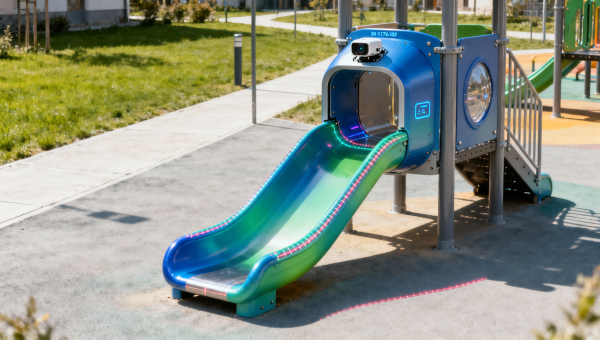
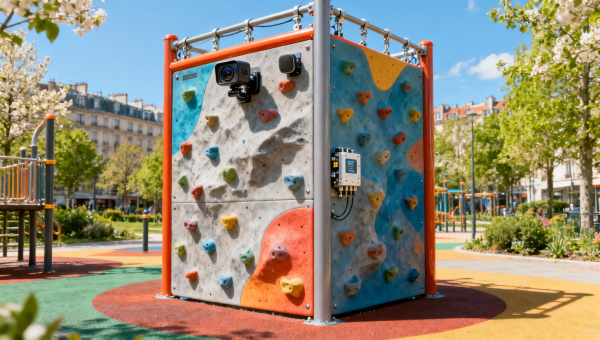
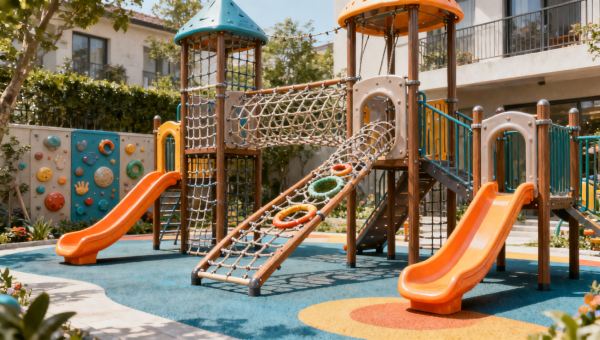
The EU's revised GPSR will mandate two key requirements for outdoor play equipment exporters: 1) appointment of an EU REP to act as a local compliance liaison, and 2) creation of a DPP containing detailed product safety and technical documentation. The regulation applies specifically to outdoor rides falling under EN 1176/1177 standards, which cover playground equipment and surfacing safety. Enforcement begins on July 1, 2026, but certification delays are already emerging due to backlogged testing bodies and unprepared suppliers.
Impact on Sub-Sectors
Direct Exporters
Manufacturers shipping outdoor play equipment to the EU face immediate compliance burdens. Without an EU REP and DPP, products will be barred from the market. Current 10–14 week certification delays—up from the typical 6–8 weeks—threaten to disrupt 2026 Q3 shipments for companies starting preparations late.
Component Suppliers
Suppliers of structural parts, safety-critical fasteners, or impact-absorbing materials must provide test reports compatible with DPP requirements. Sub-tier suppliers lacking EN-standard documentation risk being excluded from supply chains as OEMs prioritize compliant partners.
Certification Service Providers
Notified bodies and testing labs will see surging demand for EN 1176/1177 assessments. However, capacity constraints may exacerbate bottlenecks, particularly for SMEs unfamiliar with DPP data formatting requirements.
Key Action Points for Businesses
Prioritize EU REP Selection
Evaluate representatives' technical competency in playground equipment regulations, not just administrative capabilities. Contracts should specify liability terms for compliance failures.
Audit Technical Documentation
Gap assessments against EN 1176/1177 must identify missing test reports or non-standard designs. Retroactive testing for existing products may require physical sample submissions.
Initiate DPP System Integration
DPP templates require machine-readable data fields for materials, safety test results, and maintenance instructions. Early adoption of ERP/PLM system upgrades can prevent last-minute scrambling.
Adjust Production Schedules
Factor in extended certification lead times when planning 2026 H2 production. Consider front-loading orders for EU-bound products ahead of the July deadline.
Editorial Perspective
From an industry standpoint, the GPSR revisions signal the EU's shift toward digitized compliance enforcement. The DPP requirement—likely to expand to other product categories—effectively creates a real-time regulatory audit trail. While larger manufacturers may absorb compliance costs relatively easily, SMEs face disproportionate burdens in documentation overhaul and representative fees. The current certification delays suggest the market will see supply constraints for non-premium playground equipment in 2026. Companies treating this as a mere paperwork exercise risk losing market access, whereas those viewing DPPs as part of broader product lifecycle management may gain competitive advantages.
Conclusion
The GPSR changes represent a structural compliance shift for outdoor play equipment exporters, with the DPP system serving as a gateway for future EU market access. While the 2026 deadline seems distant, the compounding effects of documentation preparation, testing bottlenecks, and system upgrades necessitate immediate action. Manufacturers should interpret this not just as a regulatory hurdle but as an opportunity to future-proof their EU business operations against evolving digital compliance standards.
Source Attribution
Primary source: Official Journal of the European Union (EU) 2023/988. Ongoing monitoring required for: 1) Potential updates to EN 1176/1177 standards before enforcement, and 2) EU REP service provider capacity developments.
Search News
Hot Articles
- Stage Lighting & TrussCCTV5 Snooker Broadcast Drives 37% Surge in Stage Lighting Export InquiriesApr 21, 2026
- Indoor PlaygroundVietnam Mandates Child Finger-Trap Sensors for Indoor Play EquipmentApr 21, 2026
- Stage Lighting & TrussGuangdong vs. Shanxi CBA Game Highlights Domestic Smart Arena LightingApr 21, 2026
Popular Tags
Need ExpertConsultation?
Connect with our specialized leisureengineering team for procurementstrategies.
Recommended News
 Apr 20, 2026China's Smart Timing System Gains ITU Certification at Shanghai Bike EventChina's smart timing system wins ITU-T L.1800 certification — the first Chinese sports timing platform approved for UCI-accredited cycling events. Discover how it reshapes reliability, security & global competitiveness in sports tech.● Theme Park Strategist
 Apr 17, 2026Popular Badminton AI Protocol Launched in ChengduPopular Badminton AI protocol launched in Chengdu — a game-changer for smart sports hardware, VR simulators & outdoor ride manufacturers targeting Asian youth academies.● Theme Park Strategist
 Apr 17, 2026EN 1176-7:2026 Enforced: AI Behavior Recognition Required for EU Outdoor Interactive Play EquipmentEN 1176-7:2026 is now enforced — AI behavior recognition is mandatory for EU outdoor interactive play equipment. Ensure CE compliance now.● Theme Park Strategist
 Apr 16, 2026EN 1176-7:2026 Enforces AI Safety Rules for EU Outdoor Interactive Play EquipmentEN 1176-7:2026 enforces AI safety rules for EU outdoor interactive play equipment — mandatory false-trigger ≤0.3% & local-only data processing. Act now to comply.● Theme Park Strategist
 Apr 13, 20262026 CKC China Karting Championship in Macau Sparks Export Interest for Domestic Racing GearThe 2026 CKC China Karting Championship in Macau showcased FIA-compliant racing gear, sparking export interest for domestic timing systems, carbon fiber kits & sustainable tires. Discover how this event opens global opportunities.● Theme Park Strategist
 Apr 13, 2026Japan Revises Sports Equipment Safety Standards: Mandatory Multilingual E-Manuals for Imported Fitness Gear from April 2026Japan's new Sports Equipment Safety Standards mandate multilingual e-manuals for imported fitness gear from 2026. Learn how this impacts global exporters and key compliance strategies for smooth market entry.● Theme Park Strategist
 Apr 10, 2026Middle East Tensions Raise Shipping Risks in Hormuz Strait, Air Freight Costs for Sports Equipment Surge 12%Middle East tensions escalate shipping risks in Hormuz Strait, causing a 12% surge in air freight costs for sports equipment. Learn how this impacts supply chains and strategies to mitigate delays.● Theme Park Strategist
 Apr 22, 2026How to Compare Theme Park RidesCompare theme park rides for safety, capacity, and ROI in a leisure park, while aligning playground structures, inclusive playground zones, and playground swings with smarter sourcing.● Theme Park Strategist
 Apr 22, 2026Is a Leisure Park Worth the InvestmentLeisure park investment guide: compare theme park rides, playground structures, inclusive playground design, swings, soundproofing materials, and custom furniture for stronger returns.● Theme Park Strategist
 Apr 22, 2026Adventure Playground Ideas That Work in Small Outdoor SpacesAdventure playground ideas for small outdoor spaces: compare layouts, indoor playground and trampoline park concepts, plus arcade games and musical instruments features to boost family appeal.● Theme Park Strategist
 Apr 22, 2026Adventure Playground Features That Improve Safety Without Feeling BoringAdventure playground and indoor playground safety features that keep fun high—compare trampoline park layouts, arcade games, and smart design tips for safer, more engaging venues.● Theme Park Strategist
 Apr 18, 20262026 Shanghai Sailing Open Adopts Domestic Smart Timing System2026 Shanghai Sailing Open adopts China's first ITU-R M.2412–certified smart timing system — a game-changer for marine sports exporters, integrators & event organizers worldwide.● Theme Park Strategist
 Apr 18, 2026EN 1176-7:2026 Enforced: AI Behavior Recognition Mandatory for EU Outdoor Play EquipmentEN 1176-7:2026 is now mandatory — AI behavior recognition required for EU outdoor play equipment. Ensure CE compliance, low-latency certification & market access before shipment.● Theme Park Strategist
 Apr 20, 2026Park benches with bolt corrosion you can’t see until it’s too latePark benches with hidden bolt corrosion risk luxury furniture, hotel furniture & commercial furniture safety—spot invisible degradation before failure.● Theme Park Strategist
 Apr 19, 2026Park benches built for coastal climates—what actually worksDiscover coastal-proof park benches, luxury furniture & custom hotel furniture built to last 25+ years in salt, sun & humidity—engineered for resorts, hotels & commercial spaces.● Theme Park Strategist
 Apr 19, 2026Why park benches fail after two seasons of outdoor usePark benches failing in 2 seasons? Discover why luxury furniture, hotel furniture, and commercial furniture specs matter—and how to choose resilient park benches, hotel chairs, and hotel tables.● Theme Park Strategist
 Apr 19, 2026Outdoor playground shade planning affects more than comfortOutdoor playground shade planning improves safety, durability, and visitor flow for outdoor playground, indoor playground, and trampoline park projects—explore smarter sourcing for swings and more.● Theme Park Strategist
 Apr 19, 2026Why playground swings fail early at busy public sitesPlayground swings at busy public sites fail early due to heavy traffic, weak materials, and poor maintenance. Compare outdoor playground, indoor playground, and trampoline park solutions for safer, longer-lasting performance.● Theme Park Strategist
 Apr 19, 2026Playground swings with fewer maintenance calls over timePlayground swings built for fewer maintenance calls: compare durable options for outdoor playground, indoor playground, and trampoline park projects with smarter lifecycle value.● Theme Park Strategist
 Apr 19, 2026How weather exposure changes outdoor playground safety plansOutdoor playground safety starts with weather planning. Learn how trampoline park, indoor playground, and playground swings buyers reduce risk, protect value, and choose climate-smart equipment.● Theme Park Strategist
 Apr 19, 2026Outdoor playground surfaces that hide higher lifetime costsOutdoor playground surface choices can raise hidden lifetime costs for trampoline park and indoor playground projects. Compare safer, longer-lasting options around playground swings.● Theme Park Strategist
 Apr 18, 2026Playground structures with integrated solar lighting: Is battery life consistent across seasons?Playground structures with integrated solar lighting: Discover seasonal battery performance data for leisure parks, theme park rides & inclusive playgrounds—backed by real-world climate testing and OEM validation.● Theme Park Strategist
 Apr 18, 2026Theme park rides using recycled steel: How does material origin affect fatigue testing?Theme park rides, playground swings & inclusive playground structures using recycled steel demand origin-aware fatigue testing—discover how material provenance impacts safety, durability & compliance.● Theme Park Strategist
 Apr 18, 2026Leisure park shade structures that fade unevenly—UV resistance vs. pigment qualityLeisure park shade structures fading unevenly? Discover why pigment quality—not just UV resistance—dictates longevity, brand integrity & ROI for playground structures, theme park rides & inclusive playgrounds.● Theme Park Strategist