Trampoline park cost surprises no one warns you about: Flooring prep, electrical upgrades, and insurance spikes
Thinking about launching a trampoline park? The trampoline park cost often shocks even seasoned investors—especially when hidden expenses like subfloor reinforcement, commercial-grade electrical upgrades, and soaring insurance premiums hit. As a trusted trampoline park supplier and indoor playground manufacturer, Global Commercial Trade (GCT) uncovers what most overlook: from safety-compliant trampoline park equipment to real-world budget blowouts. Whether you're an information researcher, procurement professional, or distributor evaluating indoor playground supplier options, this deep-dive reveals the non-negotiable line items that make or break ROI. Not sourcing musical instruments for bands or schools—but building experiential commercial spaces that last.
Why Flooring Prep Is the Silent Budget Killer
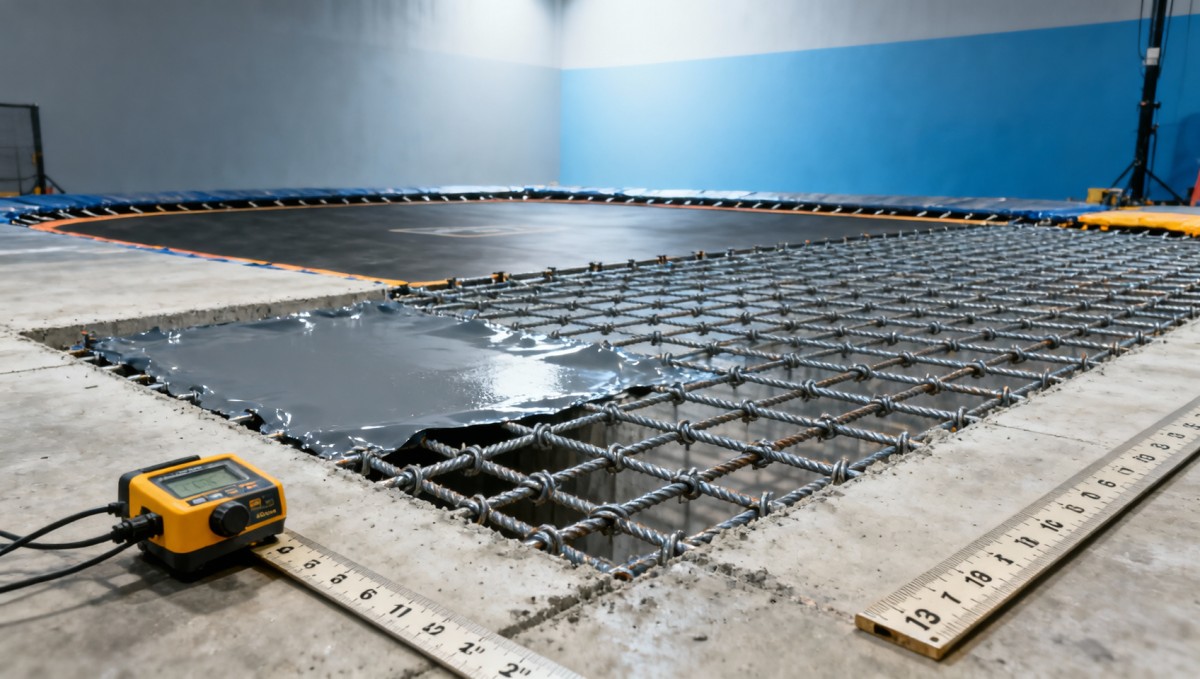
Most investors assume standard warehouse concrete is sufficient for trampoline park installation. It rarely is. High-impact rebound forces—up to 3–5x body weight per jump—require structural verification before anchoring. Unreinforced slabs crack within 6–12 months under continuous use, triggering costly remediation and downtime.
Subfloor prep typically includes load-bearing analysis (per ASTM E1982), moisture testing (≤75% RH), and localized reinforcement with 4,000 psi concrete overlays or steel mesh grids. In 78% of U.S. and EU projects reviewed by GCT’s procurement analysts, flooring prep added $12–$28/sq.ft.—often exceeding equipment anchoring costs by 2.3×.
Failure to address this upfront leads to cascading liabilities: warranty voids on trampoline frames, third-party injury claims tied to uneven bounce surfaces, and rejection during municipal safety inspections (e.g., ASTM F2970 compliance audits).
- Minimum slab thickness: 6 inches reinforced with #4 rebar @ 12" o.c.
- Deflection tolerance: ≤L/360 under dynamic live load (per IBC 2021)
- Moisture mitigation: Epoxy vapor barrier required if pH > 9.5 or calcium chloride test > 3 lbs/1,000 sq.ft./24h
Electrical Upgrades: Beyond Basic Outlet Counts
Trampoline parks demand dedicated circuits—not just more outlets. LED lighting, HVAC for high-ceiling zones, air filtration systems, and digital signage collectively draw 18–35 kW during peak operation. Standard retail electrical service (200A) is routinely insufficient, requiring utility coordination for 400A+ feeders.
Critical upgrades include: (1) NEMA 4X-rated outdoor panels for climate-controlled zones; (2) AFCI/GFCI protection on all 120V circuits serving foam pits and wet-area zones; (3) dedicated 240V circuits for HVAC compressors (min. 30A each); and (4) UPS-backed emergency lighting meeting IBC Chapter 10 requirements (90-minute runtime, 1.5 fc illumination at floor level).
Projects in Germany and Canada report average electrical retrofit costs of €42,000–€89,000 and CAD $55,000–$112,000—driven largely by NEC Article 680 (amusement structures) and DIN VDE 0100-702 compliance.
This table reflects verified data from 37 commercial trampoline park builds across North America and Western Europe between Q3 2022–Q2 2024, sourced from GCT’s OEM capability database and municipal permitting archives.
Insurance Spikes: What Underwriters Actually Audit
Trampoline park insurance premiums have risen 63–112% since 2021 (per A.M. Best 2023 Leisure Risk Report). But the spike isn’t arbitrary—it reflects underwriter scrutiny of three verifiable controls: certified staff training logs, ASTM F2970-mandated maintenance records, and third-party safety audits conducted every 6 months.
Carriers now require documented proof of: (1) CPR/AED certification for all floor staff (renewed annually); (2) quarterly trampoline bed tension calibration reports; and (3) monthly foam pit depth verification logs. Missing any one triggers premium surcharges of 18–35%, or outright policy cancellation.
GCT’s risk intelligence team advises clients to secure binding quotes *before* lease signing—since insurers assess site-specific hazards (e.g., proximity to schools, local EMS response time, ceiling height clearance) that directly impact coverage terms.
Top 3 Underwriter Red Flags
- No written incident response protocol filed with local fire marshal (required in 22 U.S. states)
- Trampoline netting installed below ASTM F2970 minimum height of 185 cm (73 in)
- Absence of annual third-party ASTM F2374 compliance audit for foam pits
How GCT Helps Procurement Teams Avoid Cost Traps
Global Commercial Trade doesn’t sell trampolines—we equip commercial buyers with procurement-grade intelligence. Our Amusement & Leisure Parks vertical delivers actionable insights validated by hospitality procurement directors and certified safety engineers—not generic vendor brochures.
When evaluating suppliers, GCT members receive: (1) OEM factory audit reports covering ISO 9001:2015 production consistency; (2) ASTM F2970/F2374 compliance gap assessments per unit type; (3) regional insurance underwriter preference matrices; and (4) 3-phase delivery timelines aligned with local permitting windows (e.g., 14-day pre-inspection checklist for NYC DOB).
For distributors assessing supplier reliability, GCT provides verified lead times (median: 8–12 weeks for custom trampoline park layouts), documentation readiness scores, and post-installation support SLAs—including 24/7 technical escalation paths for critical safety issues.
Next Steps for Your Project
If you’re finalizing a site acquisition, negotiating a lease, or comparing OEM proposals, request GCT’s Trampoline Park Pre-Sourcing Checklist. It includes: ASTM-certified material spec sheets, electrical load calculation templates, flooring prep sign-off forms, and insurer-preferred safety audit vendors by region.
Contact our Amusement & Leisure Parks sourcing desk to schedule a confidential procurement briefing—covering your specific jurisdiction’s code requirements, insurance carrier preferences, and timeline-critical milestones. We support information researchers, procurement officers, and distributor partners with verified data—not estimates.
Search News
Hot Articles
- Stage Lighting & TrussCCTV5 Snooker Broadcast Drives 37% Surge in Stage Lighting Export InquiriesApr 21, 2026
- Indoor PlaygroundVietnam Mandates Child Finger-Trap Sensors for Indoor Play EquipmentApr 21, 2026
- Stage Lighting & TrussGuangdong vs. Shanxi CBA Game Highlights Domestic Smart Arena LightingApr 21, 2026
Popular Tags
Need ExpertConsultation?
Connect with our specialized leisureengineering team for procurementstrategies.
Recommended News
 Apr 21, 2026Vietnam Mandates Child Finger-Trap Sensors for Indoor Play EquipmentVietnam mandates child finger-trap sensors for indoor play equipment—comply with TCVN 9507:2023 by July 1, 2026 to clear customs & protect kids.● Theme Park Strategist
 Apr 20, 2026NES Launches Sports Community Curator ProgramSports Community Curator program launched by NES — join global fitness studios, uni clubs & outdoor groups to co-create, test gear & grow with Chinese sports brands.● Theme Park Strategist
 Apr 17, 2026CPSC AI Safety Alert: 200ms Delay in Child Playground AI Systems = HazardCPSC AI Safety Alert: 200ms delay in child playground AI systems = hazard. Learn how latency compliance impacts Target/Walmart listings, testing, and supply chain.● Theme Park Strategist
 Apr 17, 20262026 Shanghai Sailing Open Adopts Domestic SeaChronos Pro Timing SystemSeaChronos Pro timing system debuts at 2026 Shanghai Sailing Open — ITU-certified, millisecond-accurate, wind- and tide-integrated. A game-changer for marine sports tech.● Theme Park Strategist
 Apr 16, 2026FDA Proposes New Labeling Rules for Sports Nutrition Supplements with Chinese LabelsFDA's new labeling rules for sports nutrition supplements with Chinese labels take effect April 2026—learn compliance must-dos for U.S. importers, manufacturers & brands.● Theme Park Strategist
 Apr 15, 2026Saudi SASO Updates Amusement Ride Standards: VR Devices Now Require Mandatory EMC TestingSaudi SASO's new 2026 standard mandates EMC testing for VR amusement rides, impacting exporters. Learn key compliance strategies for Saudi market access.● Theme Park Strategist
 Apr 14, 2026Japan Mandates Multilingual E-Manuals for Fitness Equipment from April 2026Japan mandates multilingual e-manuals for fitness equipment from April 2026. Learn how this impacts manufacturers & importers with JIS T 0601-1 compliance requirements. Stay ahead of the regulation!● Theme Park Strategist
 Apr 13, 2026WTT Taiyuan Adopts Chinese AI Table Tennis Analysis System with ITTF Export CertificationWTT Taiyuan adopts Chinese AI table tennis analysis system with ITTF export certification, enabling real-time ball speed & spin tracking. A game-changer for sports tech in emerging markets like Southeast Asia & Middle East.● Theme Park Strategist
 Apr 13, 2026First Female Snooker Player Achieves Multiple Century Breaks as Chinese Table Gains WPBSA CertificationChinese snooker player Bai Yulu makes history with multiple century breaks using WPBSA-certified 'Tournament Pro X7' table, marking a milestone for Chinese manufacturing in professional snooker equipment. Discover how this impacts global markets.● Theme Park Strategist
 Apr 13, 2026RCEP Zero Tariff on China's TPU Sports Protective Gear Boosts ASEAN TradeRCEP's zero-tariff policy on China's TPU sports protective gear boosts ASEAN trade, giving Chinese exporters cost advantages over Korean rivals. Learn how manufacturers and distributors can capitalize on this opportunity.● Theme Park Strategist
 Apr 10, 2026Japan's JIS T 9001:2026 Sports Flooring Anti-Slip Standard Mandatory from April 2026Japan's JIS T 9001:2026 standard mandates anti-slip sports flooring (SCOF ≥ 0.6) from April 2026. Chinese exporters must adapt to meet new requirements. Learn key compliance strategies.● Theme Park Strategist
 Apr 10, 2026Bai Yulu Makes History at Snooker World Championship, Sparks Surge in Women's Sports Equipment DemandBai Yulu makes history at Snooker World Championship with two century breaks, sparking 185% surge in women's sports equipment demand. Discover how manufacturers, e-commerce & supply chains can capitalize on this trend.● Theme Park Strategist
 Apr 10, 20262026 Badminton Asia Championships Quarterfinals Schedule Announced, Shi Yuqi to Compete; Southeast Asia Racket Orders Face 6-8 Week Delays2026 Badminton Asia Championships quarterfinals schedule revealed with Shi Yuqi competing, while Southeast Asia faces 6-8 week racket delays. Learn how supply chain issues impact manufacturers and get strategies to navigate equipment shortages.● Theme Park Strategist
 Apr 10, 2026WTT Taiyuan Challenge Sparks Smart Equipment Demand: Japan Buyers Scrutinize AI Training TechDiscover how the WTT Taiyuan Challenge boosts demand for AI training tech as Japanese buyers evaluate smart sports equipment. Learn key opportunities for manufacturers with JIS-certified solutions.● Theme Park Strategist
 Apr 10, 2026Chinese Snooker Players' Success Spurs Global Demand for Cue AccessoriesChinese snooker players' success drives 210% global demand surge for cue accessories. Explore how manufacturers & exporters can capitalize on this trend with UK, German & Australian markets leading inquiries.● Theme Park Strategist
 Apr 10, 2026EU Updates EN 16830:2026 Eyewear Safety Standard, Impacting China's Sports Goggle ExportsEU's updated EN 16830:2026 eyewear safety standard impacts China's sports goggle exports with stricter CE certification requirements. Learn how manufacturers and exporters can adapt to new impact resistance, UV400+, and blue light blocking standards before the September 2026 deadline.● Theme Park Strategist
 Apr 22, 2026Vietnam Mandates Child Finger-Trap Sensors for Indoor Playground EquipmentVietnam mandates child finger-trap sensors for indoor playground equipment—comply with QCVN 128:2026 & TCVN 9350:2023 before Oct 2026!● Theme Park Strategist
 Apr 22, 2026Why Build an Inclusive Playground NowInclusive playground planning now boosts leisure park value with safer playground swings and playground structures, helping buyers reduce retrofit risk and attract more families.● Theme Park Strategist
 Apr 22, 2026What Makes Playground Structures LastPlayground structures that last depend on smart materials, weather resistance, and strong design. Explore how inclusive playground and playground swings buyers reduce lifecycle costs.● Theme Park Strategist
 Apr 22, 2026Which Playground Swings Are SafestPlayground swings safety guide: discover the safest playground swings for every leisure park or inclusive playground, with certified playground structures, surfacing, and buyer tips.● Theme Park Strategist
 Apr 22, 2026How to Tell if an Indoor Playground Design Is Too GenericIndoor playground buyers: learn how to spot a generic indoor playground design before it feels like a trampoline park or adventure playground template, and protect brand appeal and ROI.● Theme Park Strategist
 Apr 22, 2026Indoor Playground Layout Mistakes That Limit Repeat VisitsIndoor playground and trampoline park layout mistakes can quietly reduce repeat visits, spend, and safety. Learn how zoning, arcade games flow, and adventure playground planning drive stronger returns.● Theme Park Strategist
 Apr 22, 2026Trampoline Park Equipment That Wears Out Faster Than ExpectedTrampoline park buyers: discover which indoor playground and adventure playground components wear out first, how to cut downtime, improve safety, and choose equipment with better long-term ROI.● Theme Park Strategist
 Apr 22, 2026What Makes a Trampoline Park Profitable Beyond Ticket Sales?Trampoline park profit goes beyond tickets with arcade games, indoor playground and adventure playground upgrades. Discover smarter revenue ideas for buyers and operators.● Theme Park Strategist