Japan to Implement New Energy Efficiency Labeling System for Imported Fitness Equipment from Q4 2026, Requiring IoT Modules for Chinese OEMs
Japan to Implement New Energy Efficiency Labeling System for Imported Fitness Equipment from Q4 2026, Requiring IoT Modules for Chinese OEMs
Introduction
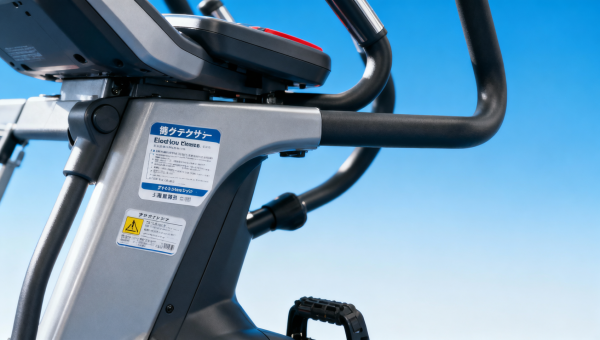
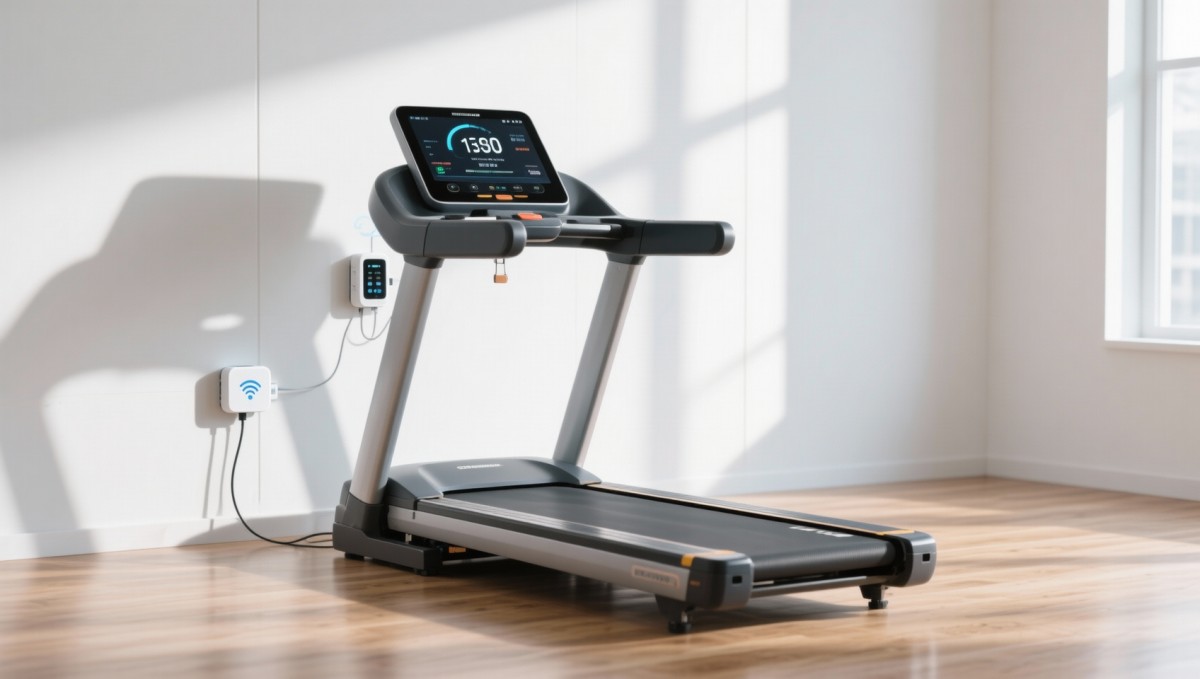
Japan's Ministry of Economy, Trade and Industry (METI) has proposed a mandatory energy efficiency labeling system for imported fitness equipment, including electric treadmills and elliptical machines, effective from October 2026. The new regulation requires IoT-enabled communication modules (supporting Bluetooth LE 5.3 or Wi-Fi HaLow) to transmit real-time energy consumption data to METI's central database. This development is particularly significant for Chinese OEMs and exporters, as it raises technical and certification barriers for fitness equipment entering the Japanese market.
Event Overview
On March 28, METI released a draft proposal outlining the new energy efficiency labeling system for both household and commercial fitness equipment. The regulation is set to take effect on October 1, 2026, and will require manufacturers to integrate IoT modules into their products to enable real-time data transmission to METI's database. The policy aims to improve energy efficiency standards and monitor compliance more effectively.
Impact on Specific Industries
Fitness Equipment Manufacturers (OEMs)
Chinese OEMs, which dominate global fitness equipment production, will face increased technical requirements and certification costs. The mandate for IoT modules (Bluetooth LE 5.3 or Wi-Fi HaLow) means manufacturers must redesign products and ensure compatibility with METI's database, adding complexity to production processes.
Exporters and Trading Companies
Exporters shipping fitness equipment to Japan will need to verify compliance with the new labeling system before clearance. Non-compliant products may face delays or rejections, impacting supply chains and inventory management.
Component Suppliers
Suppliers of IoT modules, sensors, and related electronics may see increased demand, but they must ensure their components meet METI's specifications. This could lead to supply chain adjustments and potential cost fluctuations.
Key Considerations and Recommended Actions
Monitor Regulatory Updates
Companies should track METI's final policy release and any subsequent amendments to ensure full compliance. The draft is currently open for public consultation, and changes may occur before implementation.
Assess Product Redesign Needs
Manufacturers must evaluate whether existing products can be retrofitted with IoT modules or if new designs are necessary. Early assessment can help mitigate production delays.
Engage with Certification Bodies
Collaborating with accredited testing labs familiar with Japanese standards will streamline compliance verification. Proactive engagement can reduce certification lead times.
Review Supply Chain Readiness
Exporters should confirm that suppliers can provide IoT modules meeting Bluetooth LE 5.3 or Wi-Fi HaLow specifications to avoid last-minute disruptions.
Editor's Perspective / Industry Observation
From an industry standpoint, this move signals Japan's increasing focus on energy efficiency and smart device integration in fitness equipment. While the regulation is still in the proposal stage, its implications for Chinese exporters are substantial. The requirement for IoT connectivity suggests a broader trend toward data-driven regulatory oversight, which could influence other markets in the future. Companies should treat this as an early warning to adapt their strategies, rather than waiting for enforcement to begin.
Conclusion
Japan's proposed energy efficiency labeling system represents a significant shift in compliance requirements for fitness equipment exporters, particularly those relying on Chinese OEMs. While the policy aims to enhance sustainability, it also introduces new technical and logistical challenges. Businesses should begin preparations now to ensure smooth transitions ahead of the 2026 deadline. At this stage, the regulation is best understood as a developing framework requiring close monitoring rather than an immediate operational hurdle.
Source Information
Primary source: Japan Ministry of Economy, Trade and Industry (METI) draft proposal, March 28. Note: The policy is currently under public consultation, and final details may be subject to change.
Search News
Hot Articles
- Stage Lighting & TrussCCTV5 Snooker Broadcast Drives 37% Surge in Stage Lighting Export InquiriesApr 21, 2026
- Indoor PlaygroundVietnam Mandates Child Finger-Trap Sensors for Indoor Play EquipmentApr 21, 2026
- Stage Lighting & TrussGuangdong vs. Shanxi CBA Game Highlights Domestic Smart Arena LightingApr 21, 2026
Popular Tags
Need ExpertConsultation?
Connect with our specialized leisureengineering team for procurementstrategies.
Recommended News
 Apr 21, 2026Vietnam Mandates Child Finger-Trap Sensors for Indoor Play EquipmentVietnam mandates child finger-trap sensors for indoor play equipment—comply with TCVN 9507:2023 by July 1, 2026 to clear customs & protect kids.● Theme Park Strategist
 Apr 20, 2026NES Launches Sports Community Curator ProgramSports Community Curator program launched by NES — join global fitness studios, uni clubs & outdoor groups to co-create, test gear & grow with Chinese sports brands.● Theme Park Strategist
 Apr 17, 2026CPSC AI Safety Alert: 200ms Delay in Child Playground AI Systems = HazardCPSC AI Safety Alert: 200ms delay in child playground AI systems = hazard. Learn how latency compliance impacts Target/Walmart listings, testing, and supply chain.● Theme Park Strategist
 Apr 17, 20262026 Shanghai Sailing Open Adopts Domestic SeaChronos Pro Timing SystemSeaChronos Pro timing system debuts at 2026 Shanghai Sailing Open — ITU-certified, millisecond-accurate, wind- and tide-integrated. A game-changer for marine sports tech.● Theme Park Strategist
 Apr 16, 2026FDA Proposes New Labeling Rules for Sports Nutrition Supplements with Chinese LabelsFDA's new labeling rules for sports nutrition supplements with Chinese labels take effect April 2026—learn compliance must-dos for U.S. importers, manufacturers & brands.● Theme Park Strategist
 Apr 15, 2026Saudi SASO Updates Amusement Ride Standards: VR Devices Now Require Mandatory EMC TestingSaudi SASO's new 2026 standard mandates EMC testing for VR amusement rides, impacting exporters. Learn key compliance strategies for Saudi market access.● Theme Park Strategist
 Apr 14, 2026Japan Mandates Multilingual E-Manuals for Fitness Equipment from April 2026Japan mandates multilingual e-manuals for fitness equipment from April 2026. Learn how this impacts manufacturers & importers with JIS T 0601-1 compliance requirements. Stay ahead of the regulation!● Theme Park Strategist
 Apr 13, 2026WTT Taiyuan Adopts Chinese AI Table Tennis Analysis System with ITTF Export CertificationWTT Taiyuan adopts Chinese AI table tennis analysis system with ITTF export certification, enabling real-time ball speed & spin tracking. A game-changer for sports tech in emerging markets like Southeast Asia & Middle East.● Theme Park Strategist
 Apr 13, 2026First Female Snooker Player Achieves Multiple Century Breaks as Chinese Table Gains WPBSA CertificationChinese snooker player Bai Yulu makes history with multiple century breaks using WPBSA-certified 'Tournament Pro X7' table, marking a milestone for Chinese manufacturing in professional snooker equipment. Discover how this impacts global markets.● Theme Park Strategist
 Apr 13, 2026RCEP Zero Tariff on China's TPU Sports Protective Gear Boosts ASEAN TradeRCEP's zero-tariff policy on China's TPU sports protective gear boosts ASEAN trade, giving Chinese exporters cost advantages over Korean rivals. Learn how manufacturers and distributors can capitalize on this opportunity.● Theme Park Strategist
 Apr 10, 2026Japan's JIS T 9001:2026 Sports Flooring Anti-Slip Standard Mandatory from April 2026Japan's JIS T 9001:2026 standard mandates anti-slip sports flooring (SCOF ≥ 0.6) from April 2026. Chinese exporters must adapt to meet new requirements. Learn key compliance strategies.● Theme Park Strategist
 Apr 10, 2026Bai Yulu Makes History at Snooker World Championship, Sparks Surge in Women's Sports Equipment DemandBai Yulu makes history at Snooker World Championship with two century breaks, sparking 185% surge in women's sports equipment demand. Discover how manufacturers, e-commerce & supply chains can capitalize on this trend.● Theme Park Strategist
 Apr 10, 20262026 Badminton Asia Championships Quarterfinals Schedule Announced, Shi Yuqi to Compete; Southeast Asia Racket Orders Face 6-8 Week Delays2026 Badminton Asia Championships quarterfinals schedule revealed with Shi Yuqi competing, while Southeast Asia faces 6-8 week racket delays. Learn how supply chain issues impact manufacturers and get strategies to navigate equipment shortages.● Theme Park Strategist
 Apr 10, 2026WTT Taiyuan Challenge Sparks Smart Equipment Demand: Japan Buyers Scrutinize AI Training TechDiscover how the WTT Taiyuan Challenge boosts demand for AI training tech as Japanese buyers evaluate smart sports equipment. Learn key opportunities for manufacturers with JIS-certified solutions.● Theme Park Strategist
 Apr 10, 2026Chinese Snooker Players' Success Spurs Global Demand for Cue AccessoriesChinese snooker players' success drives 210% global demand surge for cue accessories. Explore how manufacturers & exporters can capitalize on this trend with UK, German & Australian markets leading inquiries.● Theme Park Strategist
 Apr 10, 2026EU Updates EN 16830:2026 Eyewear Safety Standard, Impacting China's Sports Goggle ExportsEU's updated EN 16830:2026 eyewear safety standard impacts China's sports goggle exports with stricter CE certification requirements. Learn how manufacturers and exporters can adapt to new impact resistance, UV400+, and blue light blocking standards before the September 2026 deadline.● Theme Park Strategist
 Apr 22, 2026Vietnam Mandates Child Finger-Trap Sensors for Indoor Playground EquipmentVietnam mandates child finger-trap sensors for indoor playground equipment—comply with QCVN 128:2026 & TCVN 9350:2023 before Oct 2026!● Theme Park Strategist
 Apr 22, 2026Why Build an Inclusive Playground NowInclusive playground planning now boosts leisure park value with safer playground swings and playground structures, helping buyers reduce retrofit risk and attract more families.● Theme Park Strategist
 Apr 22, 2026What Makes Playground Structures LastPlayground structures that last depend on smart materials, weather resistance, and strong design. Explore how inclusive playground and playground swings buyers reduce lifecycle costs.● Theme Park Strategist
 Apr 22, 2026Which Playground Swings Are SafestPlayground swings safety guide: discover the safest playground swings for every leisure park or inclusive playground, with certified playground structures, surfacing, and buyer tips.● Theme Park Strategist
 Apr 22, 2026How to Tell if an Indoor Playground Design Is Too GenericIndoor playground buyers: learn how to spot a generic indoor playground design before it feels like a trampoline park or adventure playground template, and protect brand appeal and ROI.● Theme Park Strategist
 Apr 22, 2026Indoor Playground Layout Mistakes That Limit Repeat VisitsIndoor playground and trampoline park layout mistakes can quietly reduce repeat visits, spend, and safety. Learn how zoning, arcade games flow, and adventure playground planning drive stronger returns.● Theme Park Strategist
 Apr 22, 2026Trampoline Park Equipment That Wears Out Faster Than ExpectedTrampoline park buyers: discover which indoor playground and adventure playground components wear out first, how to cut downtime, improve safety, and choose equipment with better long-term ROI.● Theme Park Strategist
 Apr 22, 2026What Makes a Trampoline Park Profitable Beyond Ticket Sales?Trampoline park profit goes beyond tickets with arcade games, indoor playground and adventure playground upgrades. Discover smarter revenue ideas for buyers and operators.● Theme Park Strategist