2026 Hotel Beds Cost Guide for Buyers
Planning hotel procurement in 2026 means looking beyond hotel beds prices alone. Buyers now compare custom furniture, catering equipment, and even acoustic factors such as soundproofing materials to improve guest experience and project ROI. This guide helps procurement teams, distributors, and commercial evaluators understand key cost drivers, sourcing risks, and supplier benchmarks before making high-value purchasing decisions.
What Shapes Hotel Beds Cost in 2026?
Hotel beds cost in 2026 is influenced by more than mattress thickness or frame design. In hospitality projects linked to sports and leisure destinations, buyers often specify beds for resort hotels, golf clubs, ski lodges, amusement park hotels, wellness retreats, and mixed-use entertainment properties. These projects usually demand a balance between appearance, high turnover durability, and predictable maintenance cycles over 3–7 years.
The largest cost drivers usually include bed type, mattress grade, fire-safety materials, upholstery selection, headboard size, and order volume. A standard commercial twin or queen bed package may be priced very differently depending on whether the project requests OEM customization, integrated storage, reinforced slats, moisture-resistant fabrics, or faster lead times such as 20–35 days instead of the more typical 45–60 days.
For buyers in the sports and entertainment sector, guest profile matters. A city business hotel near an arena may prioritize quick room turnover and easy housekeeping access. A resort attached to a water park may value moisture control, anti-mildew fabrics, and washable surfaces. A premium leisure lodge may focus on sleep quality, acoustic comfort, and design consistency across beds, sofas, banquet furniture, and in-room casegoods.
This is where procurement teams often underestimate total ownership cost. A lower upfront hotel bed price can result in higher replacement frequency, more warranty disputes, and more room downtime. In commercial hospitality, the real benchmark is not only unit price, but cost per occupied room over the usable lifecycle.
Key variables buyers should isolate early
- Project positioning: economy, midscale, upscale, resort, boutique, or integrated leisure property.
- Room usage intensity: seasonal occupancy, daily turnover, or event-driven peak occupancy.
- Specification depth: standard frame only, bed base plus mattress, or full sleep system with headboard and accessories.
- Supply chain requirements: sample approval in 7–14 days, production in 30–60 days, and staged delivery by site zone.
For information researchers and commercial evaluators, comparing quotations without normalizing these four variables often leads to misleading conclusions. GCT helps buyers structure supplier comparisons around practical sourcing indicators, not just headline numbers.
Hotel Bed Price Ranges by Category and Project Positioning
The most useful way to review hotel beds cost is by category instead of one average number. In B2B hospitality sourcing, a “bed” may refer to a frame only, a mattress only, a divan base, or a full package with headboard and upholstery. For sports and entertainment properties, category clarity is essential because room themes, family occupancy, and cleaning frequency vary widely.
The table below summarizes common commercial hotel bed cost ranges used in sourcing discussions. These are planning ranges rather than fixed offers. Actual pricing changes with materials, regional freight, order quantity, and certification demands. Buyers should use these ranges to shortlist suppliers and identify which offers look incomplete or over-specified.
The planning value of this comparison lies in scope control. If one supplier quotes a low hotel bed price but excludes headboards, fire-resistant coverings, packaging, or installation support, the apparent savings may disappear once commercial fit-out costs are fully aligned.
Why sports and leisure properties often pay more
Hotels serving entertainment traffic face unique pressures. Weekend spikes, family occupancy, wet clothing, luggage abrasion, and higher room turnover can increase wear on bed edges, fabric panels, and support components. In many projects, buyers choose commercial beds with higher-density foams, stronger joinery, and easier-clean surfaces to reduce service calls during peak seasons.
Another hidden factor is design coordination. When a resort or amusement-linked hotel wants beds to match lobby seating, restaurant furniture, or themed guestroom millwork, procurement moves from catalog buying to project-based sourcing. That shift adds drawing approval, finish matching, prototype review, and more detailed packaging requirements, often extending development by 2–4 weeks.
Distributors and agents should also note that replacement business is easier when specifications are standardized. A project that uses three bed formats instead of seven simplifies replenishment, spare stock planning, and after-sales support across multiple properties.
How to Compare Materials, Construction, and Performance
A commercial hotel bed should be evaluated as a performance product, not only as furniture. Buyers in hospitality and leisure projects usually assess 5 core dimensions: frame durability, mattress comfort retention, fire behavior, fabric cleanability, and installation practicality. These factors directly affect guest satisfaction and maintenance cost.
In tender reviews, it is common to see comparable visual designs with very different internal construction. One bed base may use heavier timber sections, reinforced corners, and stronger support spacing, while another relies on lighter components that look similar at delivery but degrade faster under frequent occupancy. That difference may not show up in a basic price sheet.
The table below helps procurement teams compare technical and commercial indicators before requesting final quotations. It is especially useful when sourcing for resort hotels, sports clubs, arena-adjacent properties, or other entertainment-driven accommodation that needs reliable performance through peak occupancy cycles.
This comparison shows why hotel beds cost can vary substantially even within the same room category. A bed designed for light-duty guest turnover is not the same as one intended for a coastal resort, indoor waterpark hotel, or high-occupancy leisure complex.
Practical specification checkpoints
1. Load and usage profile
Ask suppliers how the bed is intended to perform under repeated commercial use, not only under household conditions. Procurement teams should confirm expected occupancy intensity, average stay profile, and whether the room serves couples, families, or event groups. These variables help determine whether to prioritize edge support, stain resistance, or easier replacement components.
2. Cleaning and maintenance logic
For sports and entertainment hospitality, cleanability matters. Beds located near pools, gyms, or outdoor activity zones should be specified with surfaces and textiles that tolerate more frequent cleaning cycles. Quarterly inspections and annual condition reviews are common planning practices for multi-property operators.
3. Acoustic and sleep experience
Noise control is often discussed separately from furniture, but bed systems contribute to perceived sleep quality. Creak resistance, stable fittings, and compatibility with acoustic wall panels or sound-absorbing headboards can matter in hotels near sports venues, entertainment districts, or family leisure zones where ambient sound levels fluctuate more than in standard city hotels.
Procurement Guide: How Buyers Reduce Cost Risk Before Ordering
The most effective hotel bed procurement process starts with a specification matrix, not a price inquiry. Buyers should first decide whether they need replacement procurement, full-property fit-out, or a model-room validation phase. Each route has a different sampling schedule, lead time profile, and negotiation strategy. For example, a mock-up room may need samples in 10–15 days, while a full project may require phased deliveries over 8–16 weeks.
Commercial evaluators also need to separate fixed cost from variable cost. Tooling for custom headboards, packaging design changes, market-specific labels, and compliance documentation may be one-time expenses. Freight, installation support, and replacement spare components are recurring costs. If these items are not separated in the quotation, distributors and procurement teams cannot compare suppliers accurately.
For international sourcing, communication speed matters almost as much as manufacturing capability. Delays usually appear during 4 points: drawing confirmation, material approval, pre-production sample signoff, and final packing list review. GCT supports buyers by helping define evaluation frameworks that reduce ambiguity before production starts.
A 6-point hotel bed sourcing checklist
- Confirm room type mix, including twin, king, family, accessible, and suite configurations.
- Request a complete bill of scope covering frame, mattress, headboard, fabric, packaging, and accessories.
- Verify sample timeline, production cycle, and staged shipping plan for multi-site or phased openings.
- Check compliance needs for target markets, especially fire performance and chemical documentation.
- Review warranty language, spare part availability, and defect-response procedure.
- Compare total landed cost instead of ex-factory price alone.
This checklist is especially important for agents and distributors serving hotel projects in leisure destinations. Their margin can be eroded quickly by rework, packaging damage, or site coordination errors if supplier scope is not defined in detail.
Common procurement mistakes
A frequent mistake is assuming that all “commercial mattresses” meet the same comfort and durability expectations. Another is approving fabric swatches without reviewing cleaning protocols or abrasion suitability. Buyers also sometimes lock in room design before confirming freight-friendly dimensions, creating avoidable costs in storage, elevator transport, or on-site assembly.
A second mistake is ignoring replacement continuity. If a supplier cannot maintain finish consistency or component availability for 12–24 months after project completion, operators may struggle to match later replenishment orders. That is a serious issue for branded hotel groups and leisure operators who need room consistency across expansion phases.
Compliance, Lead Times, and Supplier Evaluation in Global Hospitality Sourcing
In global hotel sourcing, compliance is not a paperwork afterthought. Bed systems for commercial use may need to align with market-specific fire behavior expectations, material declarations, labeling rules, or packaging standards. The exact requirement depends on destination market and project type, so buyers should verify compliance needs before requesting final production samples.
Lead time evaluation should also include development work, not just factory output. A realistic sourcing timeline may include 1–2 weeks for specification alignment, 1–3 weeks for sample preparation, 4–8 weeks for production, and additional time for container consolidation or site-ready delivery. Custom leisure or resort projects often need more coordination because beds must match themed interiors or other furniture packages.
The table below gives procurement teams a practical framework for supplier evaluation. It is useful for direct buyers, commercial analysts, and distributors managing hospitality projects where beds are only one part of a broader procurement package that may also include restaurant seating, catering equipment, or acoustic solutions.
For commercial buyers, this supplier review process protects both budget and opening schedule. In 2026, hotel bed sourcing will continue to reward suppliers that combine product clarity, responsive communication, and project-level coordination rather than only low initial quotes.
Why integrated sourcing matters
Many sports and entertainment properties procure beds as part of a larger guest experience package. If the same project also involves banquet seating, catering equipment, room acoustics, or public-area furniture, fragmented sourcing can create finish mismatches and schedule gaps. GCT adds value by connecting buyers with broader commercial sourcing intelligence, helping them evaluate hotel beds in relation to the full operating environment.
That broader perspective matters when procurement teams need to coordinate style, compliance, transport planning, and supplier accountability across multiple categories. The result is a sourcing process that is more reliable for hotel groups, distributors, and project developers with complex hospitality timelines.
FAQ for Buyers, Evaluators, and Hospitality Distributors
How should I compare hotel beds cost across different suppliers?
Start by equalizing scope. Compare whether the quote includes bed base, mattress, headboard, fabric grade, packaging, labels, compliance documents, and delivery terms. Then review sample timing, production cycle, and replacement support. A supplier with a slightly higher quote may still offer better commercial value if it reduces defect risk and avoids rework during installation.
Which hotel bed types are best for sports and leisure properties?
It depends on guest mix and room use. Family resorts often need king beds, twin combinations, and sofa-bed options. Arena or event hotels may prioritize durable midscale packages with quick housekeeping access. Premium leisure resorts usually invest more in mattress comfort, larger headboards, and upgraded upholstery because guest expectations are higher and sleep quality influences review performance.
What lead time should procurement teams expect in 2026?
For standard programs, buyers often plan around 30–60 days for production after sample approval. Custom projects may need an additional 2–4 weeks for drawings, finish confirmation, and prototypes. If the order is linked to a hotel opening, it is wise to add a time buffer for freight, customs, and site sequencing rather than rely on factory production time alone.
What are the most overlooked risks in hotel bed sourcing?
The most overlooked issues are incomplete scope definitions, weak replacement planning, unclear fabric performance, and insufficient packaging details. Another common problem is buying beds without checking how they align with broader room experience factors such as noise control, cleaning workflow, and other FF&E specifications.
Why Work With GCT for Hotel Bed Sourcing and Commercial Project Evaluation?
GCT supports buyers who need more than a supplier list. For hotel beds cost analysis, our value lies in helping procurement teams, distributors, and commercial decision-makers compare options through a project lens: specification depth, lifecycle risk, compliance scope, and coordination with broader hospitality assets. That is especially relevant for sports and entertainment properties where beds are only one component of a larger guest-experience investment.
If you are assessing a new hotel opening, refurbishing a leisure resort, or building a sourcing shortlist for distribution, we can help you clarify 5 practical areas: product parameters, suitable bed categories, lead-time expectations, customization feasibility, and market-entry documentation needs. This makes early-stage vendor evaluation faster and more consistent.
You can contact GCT to discuss sample support, hotel bed specification review, supplier comparison logic, phased delivery planning, replacement continuity, or integration with related procurement categories such as custom furniture, catering equipment, and acoustic materials. For buyers handling multi-room or multi-property projects, that integrated view often reduces both cost uncertainty and procurement delay.
When you are ready to move from market research to sourcing action, reach out with your room mix, target budget range, desired delivery window, and any known compliance requirements. We can help you structure the next conversation around quotation alignment, customization options, sampling steps, and realistic commercial timelines.
Search News
Hot Articles
Popular Tags
Need ExpertConsultation?
Connect with our specialized leisureengineering team for procurementstrategies.
Recommended News
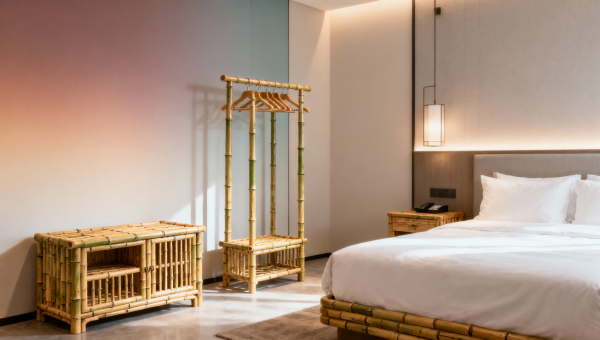
 Apr 10, 2026RCEP Cuts ASEAN Hotel Furniture Tariffs to 0% for Chinese Bamboo ProductsRCEP cuts ASEAN hotel furniture tariffs to 0% for Chinese bamboo products. Explore how this benefits exporters, procurement teams & supply chains in Southeast Asia's booming hospitality sector.● Hospitality Sourcing Dir
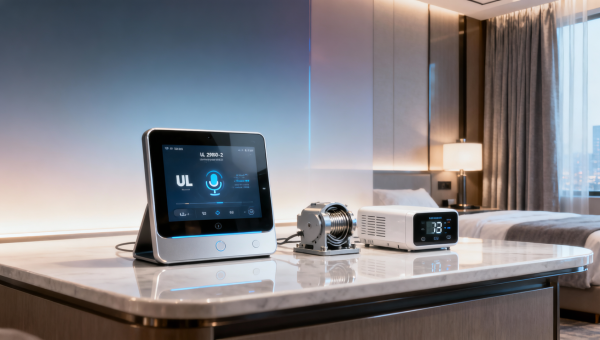
 Apr 10, 2026US Hotel Association Updates 2026 Smart Room Tech Guidelines, Mandates UL 2900-2-2 CertificationUS Hotel Association mandates UL 2900-2-2 certification for smart room tech by 2026. Learn how this impacts IoT manufacturers and hotel chains' procurement strategies.● Hospitality Sourcing Dir
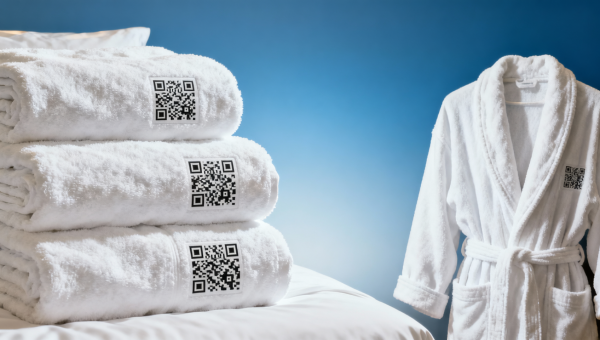
 Apr 10, 2026EU Mandates QR Codes for Hotel Linens: China Exporters Must Comply by April 2026EU mandates QR codes for hotel linens by 2026, impacting China's textile exporters. Learn compliance requirements for traceability, sustainability reporting, and supply chain adaptation.● Hospitality Sourcing Dir
 Apr 09, 2026Zibo Launches 'Treasure Shandong Through the Lens' Photo Tour, Themed Homestays Emerge as Cross-Border Marketing ToolDiscover Zibo's 'Treasure Shandong Through the Lens' photo tour featuring 32 themed homestays blending vintage cameras, Hanfu culture & industrial spaces. A groundbreaking cross-border marketing model attracting global influencers & platforms like Rakuten Travel.● Hospitality Sourcing Dir
 Apr 09, 2026Yangzhou Slender West Lake Flower Festival Opens, Blending Heritage and Tech for Luxury TourismDiscover the 2026 Yangzhou Slender West Lake Flower Festival, blending heritage crafts with AR technology for luxury tourism. Experience cultural performances, workshops, and themed stays attracting global travelers. Explore China's new era of experiential tourism.● Hospitality Sourcing Dir
 Apr 09, 2026New Team Travel Contracts Raise Compliance Standards for Overseas AgenciesNew team travel contracts enforce stricter compliance for overseas agencies, requiring rigorous vetting of Chinese suppliers. Learn how these 2026 regulations impact study tours, hotels, and global partnerships.● Hospitality Sourcing Dir
 Apr 09, 2026Shangyou County's Hotel Subsidy Policy Boosts China's MICE Tourism AppealShangyou County's 2026 hotel subsidy policy offers RMB 100 per room for MICE tourism, boosting China's appeal to international buyers. Discover how this strategic move enhances cost-effective accommodations for corporate events and study tours.● Hospitality Sourcing Dir
 Apr 21, 2026Open or closed hotel wardrobes for easier housekeeping?Hotel wardrobes affect housekeeping speed, guest appeal, and hospitality procurement. Compare open vs closed designs for hotel furniture, luxury furniture, and hotel room furniture planning.● Hospitality Sourcing Dir
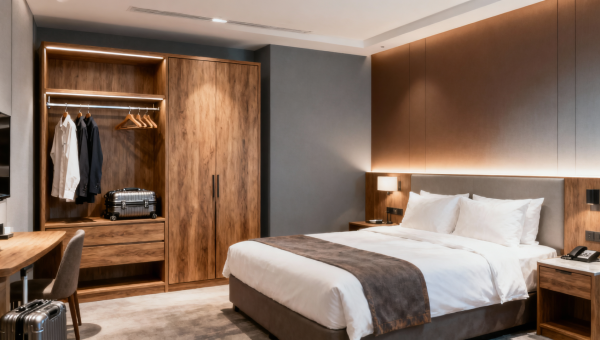
 Apr 21, 2026Hotel wardrobes that fit luggage without wasting spaceHotel wardrobes that fit luggage smartly without wasting space—explore hotel furniture solutions that elevate hotel room furniture, support hospitality procurement, and enhance guest comfort.● Hospitality Sourcing Dir
 Apr 21, 2026Why hotel room furniture wears unevenly after openingHotel furniture wear starts unevenly from day one. Learn how hotel beds, hotel chairs, hotel desks and hotel room furniture perform in real use, with smart hospitality procurement tips.● Hospitality Sourcing Dir
 Apr 21, 2026Hotel room furniture packages that cut design mismatchHotel room furniture packages align hotel furniture, hotel beds, hotel chairs, hotel tables, and hotel desks with luxury furniture standards—reducing design mismatch and speeding hospitality procurement.● Hospitality Sourcing Dir
 Apr 21, 2026Low seat or deep seat hotel sofas for modern lobbies?Hotel furniture buyers compare low seat and deep seat hotel sofas for modern lobbies. Explore luxury furniture choices that improve comfort, traffic flow, brand image, and hospitality procurement value.● Hospitality Sourcing Dir
 Apr 21, 2026Hotel sofas that keep their shape in high traffic areasHotel sofas, hotel furniture, and hospitality furniture that keep shape in high-traffic areas—discover luxury furniture sourcing tips, durable commercial furniture specs, and smarter hospitality procurement.● Hospitality Sourcing Dir
 Apr 21, 2026Why hospitality furniture needs different specs by zoneHospitality furniture specs vary by zone. Learn how hotel furniture, hotel beds, hotel chairs, hotel tables, and hotel desks improve durability, ROI, and luxury guest experience.● Hospitality Sourcing Dir
 Apr 21, 2026Hospitality furniture that supports faster room turnoverHospitality furniture that speeds room turnover: compare hotel beds, hotel chairs, hotel tables, hotel desks and hotel sofas for easier cleaning, durability, and smarter hospitality procurement.● Hospitality Sourcing Dir
 Apr 21, 2026Where hotel equipment budgets usually go off trackHotel furniture and hotel equipment budgets often fail from hidden scope, logistics, and lifecycle costs. Learn smarter hospitality procurement for hotel beds, chairs, tables, and luxury furniture.● Hospitality Sourcing Dir
 Apr 21, 2026Hotel equipment upgrades that improve guest flow firstHotel equipment upgrades improve guest flow fast with hotel furniture, hotel beds, hotel chairs, catering equipment, and soundproofing materials—boost comfort, efficiency, and procurement ROI.● Hospitality Sourcing Dir
 Apr 21, 2026What shortens the life of commercial furniture in hotelsHotel furniture and commercial furniture wear out fast when hotel beds, hotel chairs, hotel tables, hotel desks, and hotel sofas face heavy use, poor maintenance, and weak materials. Learn smart hospitality procurement tips.● Hospitality Sourcing Dir
 Apr 21, 2026Commercial furniture trends hotels are actually adoptingCommercial furniture trends hotels are adopting: luxury furniture, hotel beds, hotel chairs, hotel tables and hotel sofas that improve hotel furniture sourcing, durability, and hospitality procurement value.● Hospitality Sourcing Dir
 Apr 21, 2026How to spot hotel furniture built for daily wearHotel furniture buying guide: learn how to assess hotel beds, hotel chairs, hotel tables, and hospitality furniture for daily wear, lower maintenance, and smarter hospitality procurement.● Hospitality Sourcing Dir
 Apr 21, 2026Hotel furniture mistakes that age a room too quicklyHotel furniture buying guide: avoid costly hotel beds, hotel chairs, and hotel room furniture mistakes. Discover luxury furniture tips for durable, brand-right hospitality procurement.● Hospitality Sourcing Dir
 Apr 21, 2026Why some soundproofing materials fail after installationLearn why soundproofing materials fail after installation in hotel furniture projects. Explore hotel beds, hotel sofas, hotel wardrobes and hospitality procurement tips for lasting acoustic performance.● Hospitality Sourcing Dir
 Apr 21, 2026Soundproofing materials that work best between guest roomsSoundproofing materials for hotel furniture projects: discover the best systems between guest rooms, from mineral wool to acoustic doors, to improve comfort, protect reviews, and support hospitality procurement.● Hospitality Sourcing Dir
 Apr 21, 2026How firm should hotel beds be for mixed guest profiles?Hotel beds for mixed guest profiles: learn how hotel furniture and hospitality procurement teams balance comfort, durability, and luxury furniture standards to improve guest satisfaction.● Hospitality Sourcing Dir