Sichuan Drug Testing Institute Restarts Office Supplies Procurement with Digital Requirements
Introduction
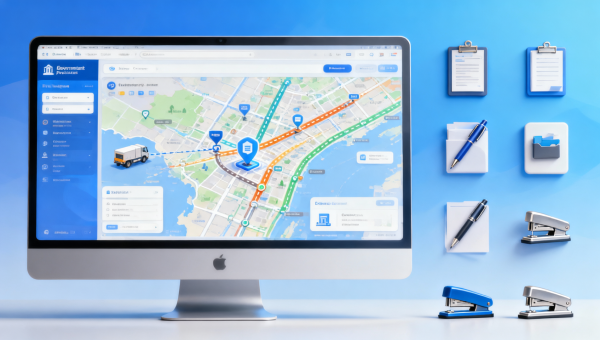
On April 8, 2026, the Sichuan Institute for Drug Control issued its fourth tender for office supplies procurement, introducing a mandatory requirement for suppliers to integrate with the provincial government's digital procurement system and provide real-time GPS-based logistics tracking. This development highlights the accelerating digitization of public procurement standards in China, particularly impacting B2G (business-to-government) suppliers in sectors like education, healthcare, and government agencies. The move signals a shift toward greater transparency and system compatibility in public sector procurement processes.
Event Overview
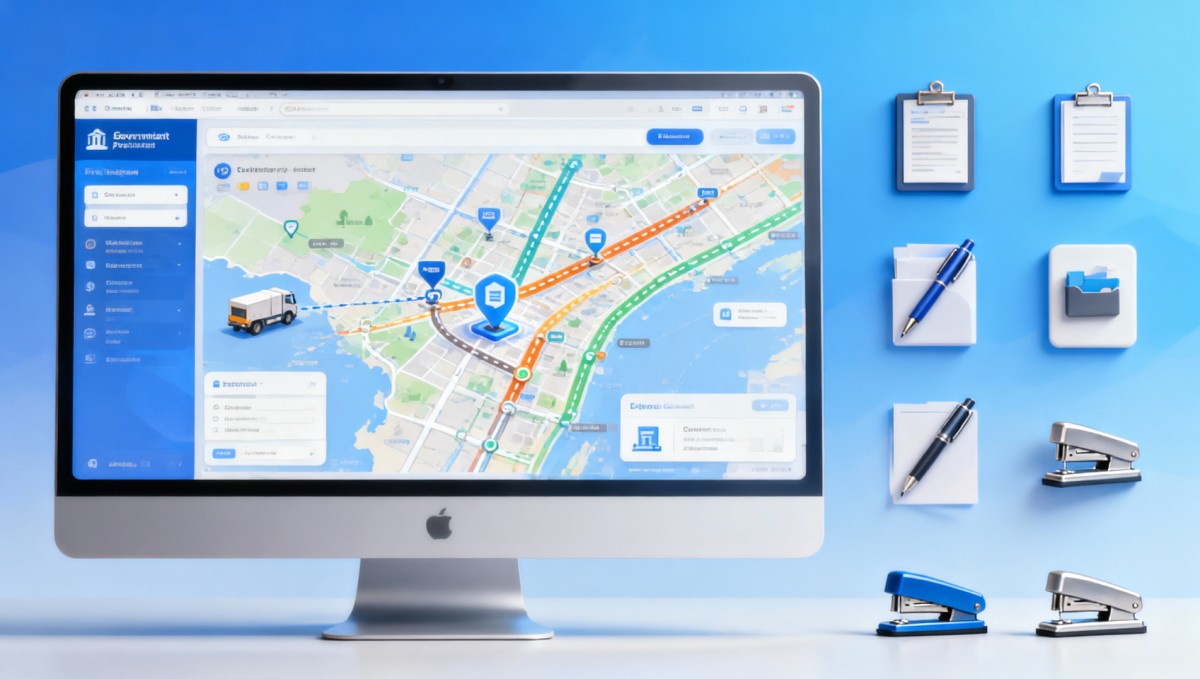
The Sichuan Institute for Drug Control announced on April 8, 2026, that it is reopening its office supplies procurement process. A key new requirement is that winning suppliers must connect to the provincial government's e-procurement platform and provide GPS-tracked logistics data for each order. This marks the first time such digital integration and real-time tracking have been mandated in the region's procurement process.
Impact on Key Industries
Office Supplies Manufacturers & Distributors
Suppliers catering to government, educational, and medical institutions will need to ensure their IT systems can integrate with provincial e-procurement platforms. This may require upgrades to ERP or logistics management systems to provide the required tracking capabilities.
Logistics & Supply Chain Service Providers
Companies providing delivery services to government contractors must now implement GPS tracking solutions that can seamlessly share data with procurement systems. This creates both a technological challenge and potential business opportunity for logistics tech providers.
Government Procurement Software Developers
Providers of e-procurement platforms may see increased demand as more agencies potentially follow Sichuan's lead in requiring digital integration. This could accelerate standardization across different regional systems.
Key Considerations for Businesses
System Compatibility Assessment
Suppliers should evaluate their current IT infrastructure's ability to integrate with government e-procurement systems. This includes both technical compatibility and data security compliance.
Logistics Technology Upgrades
Implementing or upgrading GPS tracking capabilities that can provide real-time data to government systems will become essential for suppliers wanting to participate in such tenders.
Monitoring Policy Expansion
While currently a regional requirement, businesses should watch for signs of similar policies being adopted by other provinces or at the national level.
Competitive Positioning
Companies that proactively implement these capabilities may gain a first-mover advantage in government procurement markets as digitization requirements spread.
Industry Perspective
From an industry viewpoint, this development appears to be part of China's broader push toward digital governance and procurement transparency. While currently limited to one region, it serves as a strong indicator of where government procurement standards are heading nationwide. The requirement particularly emphasizes the growing importance of supply chain visibility in public sector purchasing decisions.
More significant than the immediate impact on office supplies procurement is the potential for this model to be replicated across other product categories and regions. Businesses serving the B2G market would be prudent to view this as a pilot case for future procurement digitization rather than an isolated requirement.
Conclusion
The Sichuan Drug Testing Institute's procurement update represents an important step in China's public sector digitization. While the immediate effects are localized, the underlying trend toward digital integration and supply chain transparency has clear implications for businesses across multiple sectors. Suppliers should approach this development as both a compliance requirement and an opportunity to enhance their digital capabilities for future government contracts.
Source: Sichuan Institute for Drug Control procurement announcement, April 8, 2026. The implementation timeline and potential expansion to other regions remain areas for continued observation.
Search News
Hot Articles
- Stage Lighting & TrussCCTV5 Snooker Broadcast Drives 37% Surge in Stage Lighting Export InquiriesApr 21, 2026
- Indoor PlaygroundVietnam Mandates Child Finger-Trap Sensors for Indoor Play EquipmentApr 21, 2026
- Stage Lighting & TrussGuangdong vs. Shanxi CBA Game Highlights Domestic Smart Arena LightingApr 21, 2026
Popular Tags
Need ExpertConsultation?
Connect with our specialized leisureengineering team for procurementstrategies.
Recommended News
 Apr 14, 2026HaiRong Tech Serves 85°C Bakery Brands: Custom Packaging Demand RisesHaiRong Tech partners with 85°C bakery brands to offer custom packaging solutions, blending food-grade standards with office supplies. Discover how this innovation creates new OEM/ODM opportunities for global distributors.● Institutional Buyer
 Apr 11, 2026New Carbon Neutrality Standard for Printing Industry Impacts Global Green Office SuppliesDiscover how the new Carbon Neutrality Standard for the printing industry impacts global green office supplies. Learn about key metrics, compliance for EU/Canada exports, and strategic actions for manufacturers and suppliers.● Institutional Buyer
 Apr 11, 2026Wuhan East Lake High-Tech Zone Office Supplies Tender: Deli Wins with 78% DiscountDeli wins Wuhan East Lake High-Tech Zone office supplies tender with 78% discount, showcasing China's cost-efficient manufacturing. Learn how this impacts office supplies industry trends and green procurement strategies.● Institutional Buyer
 Apr 22, 2026When Cheap Office Supplies End Up Costing MoreOffice supplies that seem cheap can cost more over time for trampoline park, indoor playground, arcade games, musical instruments, and luxury jewelry businesses—discover smarter sourcing tips.● Institutional Buyer
 Apr 22, 2026Office Supplies Costs That Quietly Add Up Over a YearOffice supplies costs can quietly rise alongside arcade games, musical instruments, indoor playground and trampoline park operations. Discover smarter sourcing to protect margins.● Institutional Buyer
 Apr 21, 2026Office supplies wholesaler terms that cause reorder problemsOffice supplies wholesaler terms can quietly trigger costly reorders. Learn how a reliable office supplies supplier should handle MOQ, lead times, substitutions, and pricing before you sign.● Institutional Buyer
 Apr 21, 2026The hidden service gaps between office supplies suppliersOffice supplies supplier insights: uncover hidden service gaps in office supplies wholesaler selection, plus sourcing links to musical instruments for bands, custom jewelry manufacturer, and indoor playground supplier.● Institutional Buyer
 Apr 18, 2026Office supplies sustainability claims: Which certifications actually hold up?Trampoline park, indoor playground & office supplies sustainability claims—cut through greenwashing. See which certifications truly hold up for adventure playgrounds, musical instruments & arcade games.● Institutional Buyer
 Apr 17, 2026Office supplies for hybrid teams: Are bulk orders still cost-effective?Trampoline park, indoor playground & adventure playground suppliers: Discover if bulk office supplies still cut costs—plus arcade games, musical instruments & luxury jewelry sourcing insights.● Institutional Buyer
 Apr 17, 2026Educational supplies: When 'eco-friendly' labels hide real safety gapsEducational supplies, playground safety & commercial furniture—uncover hidden risks behind 'eco-friendly' labels. Get actionable compliance insights now.● Institutional Buyer
 Apr 15, 2026Stationery & uniforms that hold up to school laundry cycles — not just first-day wearDurable educational supplies, playground safety gear & commercial furniture—engineered for 30+ wash cycles, ASTM/EN compliance, and high-traffic school & amusement environments.● Institutional Buyer
 Apr 14, 2026Office supplies with BPA-free plastics: verified claims vs. third-party test reportsOffice supplies with verified BPA-free plastics — backed by third-party test reports. Trusted for trampoline parks, indoor playgrounds, luxury jewelry packaging & more.● Institutional Buyer
 Apr 14, 2026Office supplies that actually reduce desk clutter—tested and rankedOffice supplies that cut desk clutter—tested for luxury jewelry counters, trampoline parks, indoor playgrounds & more. Smart, certified, space-saving solutions.● Institutional Buyer
 Apr 12, 2026Office supplies with inconsistent color matching across batches — why it happensOffice supplies color inconsistency? Discover why luxury furniture, contract furniture & educational supplies mismatch—and how top suppliers ensure perfect chromatic fidelity across batches.● Institutional Buyer
 Apr 08, 2026Weifang's 100% Green Office Supplies Procurement Signals Shift in Sustainable SourcingDiscover how Weifang's 100% green office supplies procurement with FSC-certified paper & recycled PP signals China's sustainable sourcing shift. Learn key impacts on stationery manufacturers & suppliers.● Institutional Buyer
 Apr 08, 2026Sichuan Drug Testing Institute Restarts Office Supplies Procurement with Digital RequirementsSichuan Drug Testing Institute mandates digital integration & GPS logistics tracking in office supplies procurement. Key impact for B2G suppliers in healthcare, education sectors. Stay ahead of China's procurement digitization trends.● Institutional Buyer
 Apr 08, 2026China's NMPA CDE Launches 2026 Office Supplies Procurement with Green and Domestic FocusChina's NMPA CDE launches 2026 office supplies procurement with 80M RMB budget, mandating green standards (GB/T 38375-2022 & HJ 572-2020) and prioritizing MIIT-certified suppliers. Learn how this impacts manufacturers and exporters.● Institutional Buyer
 Apr 08, 2026Chinese Stationery Suppliers Accelerate Low-Carbon Notebook Production, Extending Delivery TimesChinese stationery suppliers like Deli Group and Lifeng are accelerating low-carbon notebook production with FSC-certified materials, causing 5-7 day delivery delays for欧美 markets. Learn how this ESG shift impacts文具 manufacturers and global distributors.● Institutional Buyer
 Apr 08, 2026Printing Industry's Carbon Neutrality Standard Impacts Global Green Office SuppliesExplore how the Printing Industry's Carbon Neutrality Standard is reshaping global green office supplies. Learn about its impact on export compliance, eco-friendly materials, and sustainable procurement practices in 2026.● Institutional Buyer
 Apr 06, 2026Educational supplies for playgrounds: When curriculum alignment doesn’t translate to physical usabilityDiscover durable playground borders, sensory playground elements, music accessories & educational supplies—engineered for safety, weather resilience, and real-world usability.● Institutional Buyer
 Apr 05, 2026Educational supplies for outdoor play: When 'learning-focused' becomes a marketing label onlyDiscover verified playground borders, sensory playgrounds & music accessories—truly educational supplies, not just marketing labels. OEM-certified amusement equipment, hotel tables & desks included.● Institutional Buyer
 Apr 04, 2026Stationery & Uniforms Suppliers Often Overlook This Compliance Gap in Office Supplies LinesOffice supplies supplier? Avoid shipment rejections—discover how top office supplies wholesalers, manufacturers & B2B suppliers ensure REACH, CPSIA & ISO compliance.● Institutional Buyer
 Mar 28, 2026TikTok E-commerce Releases '2026 Trends Report for Culture & Education Industry': Southeast Asia's 'KOL Unboxing + Localized Sticker DIY' Emerges as Breakthrough Path, China's Flexible Supply Chain Accelerates ResponseTikTok E-commerce's 2026 Trends Report reveals Southeast Asia's booming 'KOL unboxing + localized sticker DIY' trend, with 210% growth in stationery videos. China's flexible supply chain enables rapid response to this hyper-localized demand.● Institutional Buyer
 Mar 28, 20262026 Ningbo Stationery Fair Releases China's First Cross-Border Compliance Guide Covering 21 Countries' Labeling and Environmental Standards2026 Ningbo Stationery Fair unveils China's first cross-border compliance guide for 21 countries' labeling & environmental standards. Essential for $25B export sector to navigate global regulations efficiently.● Institutional Buyer