World Champion Xie Jun Visits Chongqing No.1 High School: Chess Classroom and 'One Student, One Chip' Lab Inaugurated, China's Integrated Intellectual Education Solution Gains International Attention
Introduction
On March 28, 2026, World Chess Champion Xie Jun attended the inauguration of the 'Smart Chess Education' project at Chongqing No.1 High School. The event marked the launch of domestically developed AI chess analysis terminals, FPGA programmable learning chip kits, and a bilingual cloud-based curriculum platform. As a pilot case under China's Ministry of Education's 'Intellectual Education Export' initiative, the project has attracted procurement delegations from the UAE, Thailand, and Poland, highlighting the global appeal of China's integrated 'hardware + curriculum + teacher training' model for intellectual education. This development is particularly relevant for the edtech, AI hardware, and international education export sectors, signaling China's growing influence in standardized, export-ready educational solutions.
Event Overview
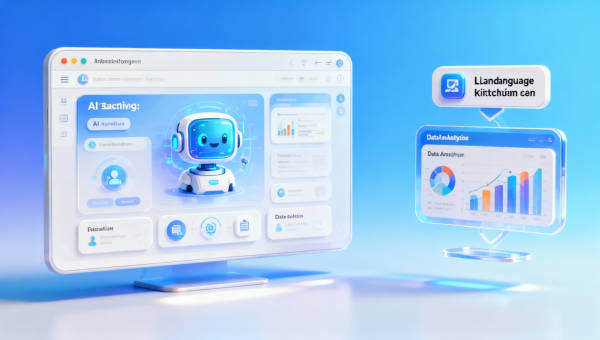
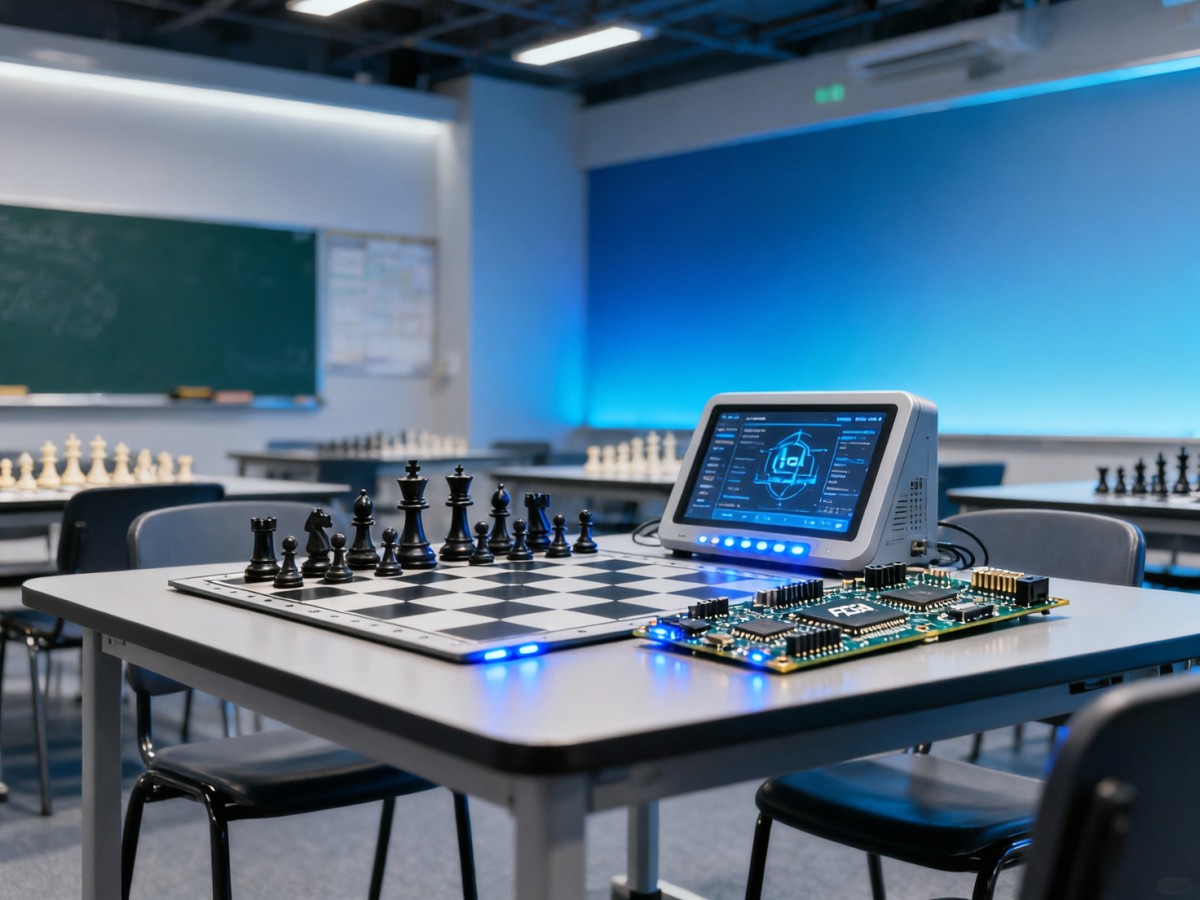
The March 28 ceremony saw the simultaneous unveiling of an international chess classroom and a 'One Student, One Chip' laboratory, equipped with three core components: 1) AI-powered chess analysis terminals capable of real-time game evaluation, 2) modular FPGA chips for programming logic training, and 3) a cloud platform hosting bilingual (Chinese-English) chess courses aligned with FIDE standards. Notably, the project represents one of the first implementations of China's 'Zhihui Chuyu' (Wisdom Chess Education) framework, which combines cognitive training with STEM education through chess.
Impact on Key Industries
EdTech Hardware Manufacturers
The deployment of FPGA-based learning chips and AI terminals demonstrates growing demand for specialized educational hardware that integrates with curriculum systems. Manufacturers should note the emphasis on hardware-software interoperability, as evidenced by the project's requirement for devices to sync with both the cloud platform and traditional classroom setups.
International Education Service Providers
The presence of foreign procurement delegations indicates that China's packaged solutions (equipment + teacher certification + localized content) are gaining traction as turnkey exports. Service providers should monitor standardization trends, particularly the project's adherence to both FIDE chess standards and UNESCO's digital education frameworks.
Teacher Training Organizations
The project's inclusion of instructor certification modules suggests new opportunities for cross-border accreditation programs. Training providers may need to adapt existing chess pedagogy courses to incorporate AI-assisted teaching methodologies showcased in the Chongqing model.
Actionable Insights for Stakeholders
Prioritize Standards Compliance
With multiple countries evaluating the solution, hardware and software developers should ensure compatibility with international education standards (e.g., IEEE 1876 for educational robots) while maintaining China's GB/T certification.
Monitor Procurement Patterns
The interest from Middle Eastern and Southeast Asian buyers suggests these regions may be early adopters. Suppliers should track tender announcements from education ministries in the UAE and Thailand, where similar integrated solutions are reportedly under consideration.
Develop Modular Offerings
Given the project's phased implementation (chess equipment first, followed by teacher training), providers could design à la carte service packages to accommodate varying budget levels among international buyers.
Editorial Perspective
From an industry standpoint, this event serves more as a validation signal than a market disruptor. The Chongqing project confirms two trends: 1) China's ability to bundle educational hardware with proprietary content for export, and 2) growing acceptance of chess as a vehicle for STEM education in emerging markets. However, actual commercial scalability will depend on post-pilot cost evaluations and localization outcomes in recipient countries.
Conclusion
The Chongqing initiative demonstrates China's strategic shift from exporting standalone edtech products to complete, standards-aligned education ecosystems. While the model shows promise, industry players should approach it as a proof-of-concept rather than an immediate market transformation, focusing on adaptability to diverse education systems and long-term ROI metrics for international buyers.
Sources
1. Official press release from Chongqing No.1 High School (March 28, 2026)
2. Project brief submitted to China's Ministry of Education (February 2026)
3. On-site reporting by Xinhua News Agency
Note: Procurement discussions with foreign delegations remain ongoing as of reporting date.
Search News
Hot Articles
- Stage Lighting & TrussCCTV5 Snooker Broadcast Drives 37% Surge in Stage Lighting Export InquiriesApr 21, 2026
- Indoor PlaygroundVietnam Mandates Child Finger-Trap Sensors for Indoor Play EquipmentApr 21, 2026
- Stage Lighting & TrussGuangdong vs. Shanxi CBA Game Highlights Domestic Smart Arena LightingApr 21, 2026
Popular Tags
Need ExpertConsultation?
Connect with our specialized leisureengineering team for procurementstrategies.
Recommended News
 Apr 21, 2026FSAE China 2026: Domestic Timing System Gains ITU CertificationFSAE China 2026: Domestic timing system wins ITU certification — first education-level motorsport solution compliant with ITU-T G.9972. Discover implications for timing tech, AI integration & standards adoption.● Institutional Buyer
 Apr 21, 20262026 Shanghai Smart Campus Expo: VR EdTech Gains ITU & ISO/IEC 23053 Dual CertificationVR EdTech gains ITU & ISO/IEC 23053 dual certification at 2026 Shanghai Smart Campus Expo—key for exporters, integrators & procurement pros.● Institutional Buyer
 Apr 20, 20262026 Shanghai Smart Campus Expo: VR EdTech Gains ITU & ISO/IEC Dual CertificationVR EdTech gains ITU & ISO/IEC dual certification at 2026 Shanghai Smart Campus Expo—key for global edtech exporters, procurement agencies & VR integrators.● Institutional Buyer
 Apr 17, 20262026 Shanghai Smart Campus Expo: VR Teaching Devices Gain ITU & ISO/IEC Dual CertificationVR teaching devices with ITU & ISO/IEC dual certification headline the 2026 Shanghai Smart Campus Expo—unlock global edtech tenders now.● Institutional Buyer
 Apr 16, 20262026 Shanghai Smart Campus Expo Highlights VR EdTech ExportVR EdTech Export takes center stage at 2026 Shanghai Smart Campus Expo — discover VR learning rides, AR sand tables & global procurement opportunities.● Institutional Buyer
 Apr 13, 20262026 China International Education Tour: AI and Green Training Equipment in SpotlightExplore AI education platforms & green training equipment at 2026 China International Education Tour. 242 global exhibitors showcase ISO-certified VR tools & low-carbon solutions for international buyers.● Institutional Buyer
 Apr 11, 20262026 China Intl Education Expo: AI & Green Tech in SpotlightExplore AI & green tech trends at 2026 China Intl Education Expo: 242 global institutions showcase smart classrooms & sustainable training solutions. Discover export opportunities for EdTech and eco-friendly equipment.● Institutional Buyer
 Apr 11, 2026China-Russia Vocational Education Week Launches with Bilingual Textbook ReleaseThe China-Russia Vocational Education Week 2026 launched with bilingual textbook releases, boosting cross-border collaboration in electromechanics, healthcare & digital commerce. Explore new SCO education standards & partnership opportunities.● Institutional Buyer
 Apr 11, 2026China's Smart Education Platform Upgrade Spurs Global AI Teaching Tool DemandChina's AI-powered education platform upgrade boosts global demand for smart teaching tools, featuring multilingual assistants and API integration. Discover how this impacts EdTech exporters and vocational training providers.● Institutional Buyer
 Apr 09, 2026Chengdu Implements Spring Break for Schools, Boosting Study Tour and Camp Equipment ExportsChengdu's new spring break policy boosts study tour & camp equipment exports, creating a $200M opportunity for manufacturers. Learn how to capitalize on this demand surge now.● Institutional Buyer
 Apr 09, 2026China-Russia Vocational Education Week Launches with Bilingual Textbook ReleaseChina-Russia Vocational Education Week launches bilingual textbooks for智能制造 and新能源汽车 sectors, creating export opportunities for vocational training providers. Discover how this impacts edtech and curriculum localization markets.● Institutional Buyer
 Apr 09, 2026Vocational Health Education Collaboration Expands Global Reach with New StandardsVocational health education reaches new global standards with China's 2026 initiative, featuring Luban Workshop standards and cross-border cloud platforms. Explore opportunities for healthcare training, edtech, and equipment exports in emerging markets.● Institutional Buyer
 Apr 09, 2026China's Education Ministry Launches Sunshine Enrollment Campaign, Impacting International School ProgramsChina's Sunshine Enrollment Campaign tightens regulations on international school programs, impacting A-Level/IB/AP providers with new localization requirements. Learn how this affects curriculum partnerships and compliance strategies.● Institutional Buyer
 Apr 09, 2026China's Smart Education Platform Upgrade Sparks Global Demand for AI ToolsChina's AI education platform upgrade drives global demand for smart teaching tools, creating export opportunities in Southeast Asia and beyond. Discover how edtech exporters can capitalize on this trend.● Institutional Buyer
 Apr 22, 20262026 Shanghai Smart Campus Expo: VR EdTech Gains ITU & ISO/IEC Dual CertificationVR EdTech gains ITU & ISO/IEC dual certification at 2026 Shanghai Smart Campus Expo—unlock B2G opportunities in UAE, Chile & Indonesia now.● Institutional Buyer
 Apr 19, 20262026 Shanghai Smart Campus Expo: VR EdTech Gains ITU & ISO/IEC Dual CertificationVR EdTech hits a milestone: 2026 Shanghai Smart Campus Expo unveils ITU & ISO/IEC dual-certified haptic teaching devices—game-changing for global edtech exporters, OEMs, and procurement agencies.● Institutional Buyer
 Apr 18, 20262026 Shanghai Smart Campus Expo: VR Teaching Devices Gain ITU & ISO/IEC Dual CertificationVR teaching devices gain ITU & ISO/IEC dual certification at 2026 Shanghai Smart Campus Expo — a must-have for edtech exporters targeting Saudi, Mexico & Poland.● Institutional Buyer
 Apr 17, 2026Smart campus tech integrations that break when you add new educational suppliesDiscover why commercial furniture, sensory playgrounds & educational supplies break smart campus tech—and how to ensure playground safety, interoperability & future-proof amusement equipment.● Institutional Buyer
 Apr 15, 2026Smart campus tech integrations that break when firmware updates dropDiscover firmware-resilient commercial furniture, sensory playgrounds, amusement equipment & hotel tables—engineered to stay safe, synced, and operational post-update.● Institutional Buyer
 Apr 15, 2026Educational supplies that teachers quietly replace after one semesterDiscover high-wear educational supplies, sensory playgrounds, playground climbers & commercial furniture—strategically replaced by teachers. Optimize procurement with GCT’s wear analytics and compliance insights.● Institutional Buyer
 Apr 12, 2026Educational supplies built for actual classroom chaos — not idealized lesson plansEducational supplies, office supplies & commercial furniture engineered for real classrooms—soundproofing materials, custom fabrication, luxury furniture & supply chain solutions.● Institutional Buyer
 Apr 07, 2026China's National Smart Education Platform Upgraded, Boosting AI EdTech ExportsChina's upgraded National Smart Education Platform boosts AI EdTech exports with new AI-driven features and international accessibility, creating opportunities for EdTech providers and localization services worldwide.● Institutional Buyer
 Apr 07, 2026China's 2026 School Admissions Policy Impacts International Education ProvidersChina's 2026 school admissions policy reshapes international education landscape, impacting IB, AP & A-Level providers with new compliance requirements. Learn how global education stakeholders can adapt.● Institutional Buyer
 Apr 04, 2026Smart Campus Tech Procurement Is Pulling From Office Supplies Manufacturers — Here’s WhyOffice supplies manufacturer? Smart campuses now choose trusted office supplies suppliers, OEM manufacturers & B2B exporters for integrated infrastructure—discover why.● Institutional Buyer