Jilin Province Launches Crackdown on Education Over-Competition: Shifting Focus from Scores to Holistic Development
Jilin Province Launches Crackdown on Education Over-Competition: Shifting Focus from Scores to Holistic Development
Introduction
On March 31, 2026, the Jilin Provincial Committee held a special meeting to address the issue of excessive competition in education, emphasizing a shift from a 'score-oriented' approach to a 'holistic development' model. This move directly impacts the education training industry, edtech providers, and international education equipment manufacturers. The policy signals a broader transformation in China's education sector, with implications for standardization, certification, and global market access.
Event Overview
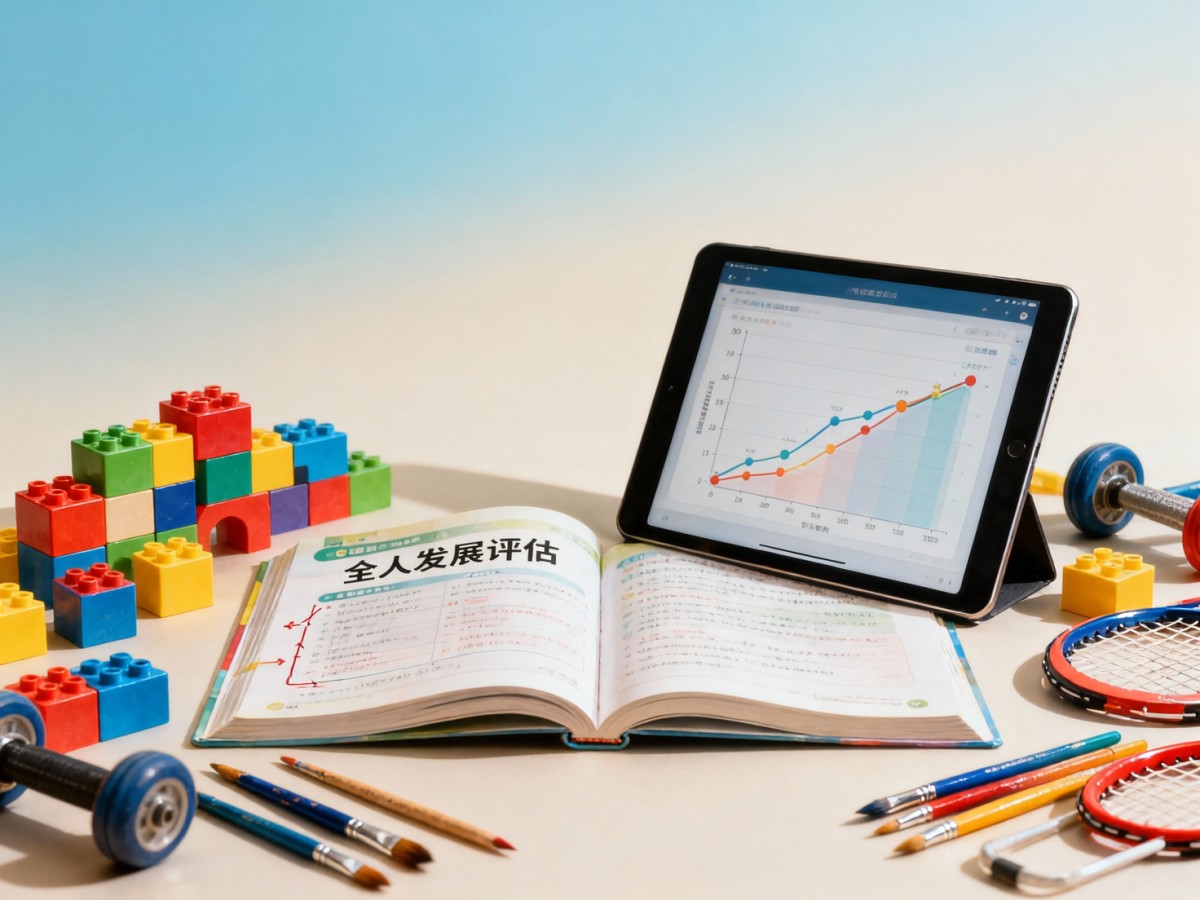
The Jilin Provincial Committee announced a comprehensive campaign to rectify the 'score-first' mentality in education. Key measures include strict crackdowns on unauthorized tutoring institutions and a push for training services to return to an educational focus. The policy also accelerates the standardization of new educational tools such as AI learning analyzers, digital growth portfolios, and Project-Based Learning (PBL) kits. These developments are expected to support Chinese products in obtaining ISO 21001 certification and inclusion in the EU EduTech procurement list.
Impact on Specific Industries
Education Training Providers
The crackdown on unauthorized tutoring institutions will force many providers to either comply with new regulations or exit the market. Training services must now emphasize holistic development over score improvement, requiring significant adjustments in curriculum and teaching methods.
Edtech Companies
Providers of AI learning analyzers, digital platforms, and PBL kits stand to benefit as the policy promotes the adoption of these tools. Standardization efforts will likely create new opportunities for companies that can meet the evolving requirements.
International Education Equipment Manufacturers
The push for ISO 21001 certification and EU EduTech procurement listing opens doors for Chinese manufacturers in global markets. Companies that can align their products with international standards will gain a competitive edge.
Key Considerations for Businesses and Practitioners
Monitor Policy Developments
Stay updated on further clarifications or expansions of the policy, as local implementation may vary. Regulatory changes could introduce new compliance requirements or opportunities.
Focus on Product Standardization
For edtech providers and equipment manufacturers, aligning products with emerging standards (e.g., ISO 21001) should be a priority to access both domestic and international markets.
Adapt to Market Shifts
Education training providers must transition from score-driven models to holistic development approaches. This may involve redesigning programs, retraining staff, and adopting new assessment tools.
Explore International Opportunities
With the policy supporting global certification and procurement, companies should assess their readiness for international expansion, particularly in markets like the EU.
Editor's Perspective / Industry Observation
From an industry standpoint, Jilin's policy appears to be both a signal and a catalyst for broader changes in China's education sector. While the immediate focus is on curbing excessive competition, the long-term implications extend to product standardization and global market positioning. The emphasis on holistic development aligns with international education trends, potentially enhancing the competitiveness of Chinese education products abroad. However, the actual impact will depend on how consistently and effectively the policy is implemented across regions.
Conclusion
Jilin's initiative represents a significant step in redefining China's education priorities, with far-reaching effects on training providers, edtech companies, and equipment manufacturers. While the policy creates challenges for traditional score-focused models, it also opens new avenues for innovation and international expansion. Businesses should view this as both a regulatory shift and a market opportunity, preparing accordingly for the evolving landscape.
Source Information
Primary Source: Announcement from Jilin Provincial Committee, March 31, 2026.
Note: The implementation details and broader national adoption of similar policies remain to be observed.
Search News
Hot Articles
Popular Tags
Need ExpertConsultation?
Connect with our specialized leisureengineering team for procurementstrategies.
Recommended News
 Apr 22, 20262026 Shanghai Smart Campus Expo: VR EdTech Gains ITU & ISO/IEC Dual CertificationVR EdTech gains ITU & ISO/IEC dual certification at 2026 Shanghai Smart Campus Expo—unlock B2G opportunities in UAE, Chile & Indonesia now.● Institutional Buyer
 Apr 21, 2026FSAE China 2026: Domestic Timing System Gains ITU CertificationFSAE China 2026: Domestic timing system wins ITU certification — first education-level motorsport solution compliant with ITU-T G.9972. Discover implications for timing tech, AI integration & standards adoption.● Institutional Buyer
 Apr 21, 20262026 Shanghai Smart Campus Expo: VR EdTech Gains ITU & ISO/IEC 23053 Dual CertificationVR EdTech gains ITU & ISO/IEC 23053 dual certification at 2026 Shanghai Smart Campus Expo—key for exporters, integrators & procurement pros.● Institutional Buyer
 Apr 20, 20262026 Shanghai Smart Campus Expo: VR EdTech Gains ITU & ISO/IEC Dual CertificationVR EdTech gains ITU & ISO/IEC dual certification at 2026 Shanghai Smart Campus Expo—key for global edtech exporters, procurement agencies & VR integrators.● Institutional Buyer
 Apr 17, 20262026 Shanghai Smart Campus Expo: VR Teaching Devices Gain ITU & ISO/IEC Dual CertificationVR teaching devices with ITU & ISO/IEC dual certification headline the 2026 Shanghai Smart Campus Expo—unlock global edtech tenders now.● Institutional Buyer
 Apr 16, 20262026 Shanghai Smart Campus Expo Highlights VR EdTech ExportVR EdTech Export takes center stage at 2026 Shanghai Smart Campus Expo — discover VR learning rides, AR sand tables & global procurement opportunities.● Institutional Buyer
 Apr 13, 20262026 China International Education Tour: AI and Green Training Equipment in SpotlightExplore AI education platforms & green training equipment at 2026 China International Education Tour. 242 global exhibitors showcase ISO-certified VR tools & low-carbon solutions for international buyers.● Institutional Buyer
 Apr 11, 20262026 China Intl Education Expo: AI & Green Tech in SpotlightExplore AI & green tech trends at 2026 China Intl Education Expo: 242 global institutions showcase smart classrooms & sustainable training solutions. Discover export opportunities for EdTech and eco-friendly equipment.● Institutional Buyer
 Apr 11, 2026China-Russia Vocational Education Week Launches with Bilingual Textbook ReleaseThe China-Russia Vocational Education Week 2026 launched with bilingual textbook releases, boosting cross-border collaboration in electromechanics, healthcare & digital commerce. Explore new SCO education standards & partnership opportunities.● Institutional Buyer
 Apr 11, 2026China's Smart Education Platform Upgrade Spurs Global AI Teaching Tool DemandChina's AI-powered education platform upgrade boosts global demand for smart teaching tools, featuring multilingual assistants and API integration. Discover how this impacts EdTech exporters and vocational training providers.● Institutional Buyer
 Apr 09, 2026Chengdu Implements Spring Break for Schools, Boosting Study Tour and Camp Equipment ExportsChengdu's new spring break policy boosts study tour & camp equipment exports, creating a $200M opportunity for manufacturers. Learn how to capitalize on this demand surge now.● Institutional Buyer
 Apr 09, 2026China-Russia Vocational Education Week Launches with Bilingual Textbook ReleaseChina-Russia Vocational Education Week launches bilingual textbooks for智能制造 and新能源汽车 sectors, creating export opportunities for vocational training providers. Discover how this impacts edtech and curriculum localization markets.● Institutional Buyer
 Apr 09, 2026Vocational Health Education Collaboration Expands Global Reach with New StandardsVocational health education reaches new global standards with China's 2026 initiative, featuring Luban Workshop standards and cross-border cloud platforms. Explore opportunities for healthcare training, edtech, and equipment exports in emerging markets.● Institutional Buyer
 Apr 09, 2026China's Education Ministry Launches Sunshine Enrollment Campaign, Impacting International School ProgramsChina's Sunshine Enrollment Campaign tightens regulations on international school programs, impacting A-Level/IB/AP providers with new localization requirements. Learn how this affects curriculum partnerships and compliance strategies.● Institutional Buyer
 Apr 09, 2026China's Smart Education Platform Upgrade Sparks Global Demand for AI ToolsChina's AI education platform upgrade drives global demand for smart teaching tools, creating export opportunities in Southeast Asia and beyond. Discover how edtech exporters can capitalize on this trend.● Institutional Buyer
 Apr 19, 20262026 Shanghai Smart Campus Expo: VR EdTech Gains ITU & ISO/IEC Dual CertificationVR EdTech hits a milestone: 2026 Shanghai Smart Campus Expo unveils ITU & ISO/IEC dual-certified haptic teaching devices—game-changing for global edtech exporters, OEMs, and procurement agencies.● Institutional Buyer
 Apr 18, 20262026 Shanghai Smart Campus Expo: VR Teaching Devices Gain ITU & ISO/IEC Dual CertificationVR teaching devices gain ITU & ISO/IEC dual certification at 2026 Shanghai Smart Campus Expo — a must-have for edtech exporters targeting Saudi, Mexico & Poland.● Institutional Buyer
 Apr 17, 2026Smart campus tech integrations that break when you add new educational suppliesDiscover why commercial furniture, sensory playgrounds & educational supplies break smart campus tech—and how to ensure playground safety, interoperability & future-proof amusement equipment.● Institutional Buyer
 Apr 15, 2026Smart campus tech integrations that break when firmware updates dropDiscover firmware-resilient commercial furniture, sensory playgrounds, amusement equipment & hotel tables—engineered to stay safe, synced, and operational post-update.● Institutional Buyer
 Apr 15, 2026Educational supplies that teachers quietly replace after one semesterDiscover high-wear educational supplies, sensory playgrounds, playground climbers & commercial furniture—strategically replaced by teachers. Optimize procurement with GCT’s wear analytics and compliance insights.● Institutional Buyer
 Apr 12, 2026Educational supplies built for actual classroom chaos — not idealized lesson plansEducational supplies, office supplies & commercial furniture engineered for real classrooms—soundproofing materials, custom fabrication, luxury furniture & supply chain solutions.● Institutional Buyer
 Apr 07, 2026China's National Smart Education Platform Upgraded, Boosting AI EdTech ExportsChina's upgraded National Smart Education Platform boosts AI EdTech exports with new AI-driven features and international accessibility, creating opportunities for EdTech providers and localization services worldwide.● Institutional Buyer
 Apr 07, 2026China's 2026 School Admissions Policy Impacts International Education ProvidersChina's 2026 school admissions policy reshapes international education landscape, impacting IB, AP & A-Level providers with new compliance requirements. Learn how global education stakeholders can adapt.● Institutional Buyer
 Apr 04, 2026Smart Campus Tech Procurement Is Pulling From Office Supplies Manufacturers — Here’s WhyOffice supplies manufacturer? Smart campuses now choose trusted office supplies suppliers, OEM manufacturers & B2B exporters for integrated infrastructure—discover why.● Institutional Buyer