Wuhan Retrofits Old Buildings with Non-Destructive HVAC Billing, Expanding Smart Office Tech Abroad
Introduction
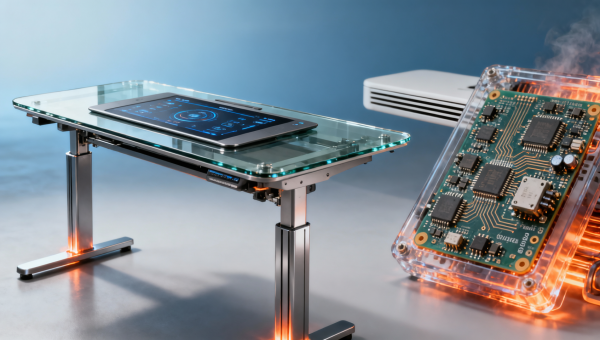
Wuhan has implemented a non-destructive central air conditioning billing system in several aging office buildings, utilizing wireless temperature control and AI load algorithms for precise energy consumption measurement. This technology, already UL 60730 certified, has attracted pilot procurement interest from Singapore's Housing and Development Board (HDB). The Chinese solution, with its low retrofit costs and high compatibility, is now targeting the green upgrade needs of existing buildings in Southeast Asia and the Middle East, offering plug-and-play energy-saving options for overseas engineering contractors. This development is significant for the HVAC, smart building, and international construction sectors, as it highlights a growing trend toward cost-effective, sustainable retrofitting solutions.
Event Overview
The retrofit projects in Wuhan involve the installation of wireless temperature control systems and AI-based load algorithms to split central air conditioning energy consumption accurately without the need for destructive construction. The technology has been certified under UL 60730 and has garnered preliminary interest from Singapore's HDB for pilot projects. The system's appeal lies in its low installation costs and compatibility with existing infrastructure, making it an attractive option for aging buildings in overseas markets like Southeast Asia and the Middle East.

Impact on Sub-Industries
HVAC and Smart Building Technology Providers
This development directly impacts companies specializing in HVAC systems and smart building technologies. The adoption of non-destructive retrofitting solutions opens new markets, particularly in regions with aging infrastructure. Providers should focus on developing similar cost-effective, high-compatibility systems to meet growing demand.
International Construction and Engineering Firms
Engineering contractors working on overseas projects, especially in Southeast Asia and the Middle East, will find this technology valuable for green retrofitting. Firms should explore partnerships with Chinese providers or develop comparable solutions to stay competitive.
Energy Management and Sustainability Consultants
Consultants advising on green building upgrades can leverage this technology to offer clients more affordable and less disruptive retrofitting options. Staying updated on such innovations will be crucial for providing relevant recommendations.
Key Considerations for Industry Players
Monitor Certification and Regulatory Approvals
Companies should track the progress of certifications like UL 60730 and other regional approvals, as these will influence market adoption and trust in the technology.
Assess Compatibility with Existing Systems
Before adopting or promoting such solutions, firms must evaluate their compatibility with diverse building infrastructures, particularly in international markets with varying standards.
Explore Partnerships and Pilot Projects
Engaging in pilot projects, like those with Singapore's HDB, can provide valuable insights and demonstrate the technology's effectiveness to potential clients.
Editorial Perspective / Industry Observation
From an industry standpoint, this development signals a shift toward more sustainable and cost-effective retrofitting solutions for aging buildings. While the technology is still in the early stages of international adoption, its potential to address green upgrade needs in emerging markets is significant. The industry should view this as a signal of growing demand for non-destructive, energy-efficient solutions and prepare accordingly.
Conclusion
The Wuhan retrofit projects highlight the increasing viability of non-destructive, AI-driven HVAC billing systems for aging buildings. This technology not only addresses domestic needs but also presents a compelling option for international markets. Industry players should monitor its adoption, assess its compatibility with their offerings, and consider strategic partnerships to capitalize on this emerging trend.
Source Information
Primary sources include reports on the Wuhan retrofit projects and Singapore's HDB pilot procurement interest. Ongoing developments in international adoption should be tracked for further insights.
Search News
Hot Articles
- Stage Lighting & TrussCCTV5 Snooker Broadcast Drives 37% Surge in Stage Lighting Export InquiriesApr 21, 2026
- Indoor PlaygroundVietnam Mandates Child Finger-Trap Sensors for Indoor Play EquipmentApr 21, 2026
- Stage Lighting & TrussGuangdong vs. Shanxi CBA Game Highlights Domestic Smart Arena LightingApr 21, 2026
Popular Tags
Need ExpertConsultation?
Connect with our specialized leisureengineering team for procurementstrategies.
Recommended News
 Apr 14, 2026Fuzhou Hospital's Office Supply Tender Fails Due to Lack of BiddersFuzhou Hospital's office supply tender failed due to lack of qualified bidders, exposing gaps in regional suppliers' compliance and procurement experience. Learn key considerations for international buyers evaluating Chinese vendors.● Institutional Buyer
 Apr 14, 2026Chongqing Launches Office Supplies Procurement with 2-Hour Delivery FocusChongqing's office supplies procurement (KZQ26A00105) sets new standards with 2-hour delivery focus and 60% SME quota. Discover how this 886,700 RMB tender impacts logistics and supply chains in China's evolving B2B market.● Institutional Buyer
 Apr 11, 2026Henan Justice Department Office Supplies Procurement: Kehai Smart Tech Wins BidHenan Kehai Smart Tech wins Henan Justice Department office supplies procurement bid, showcasing China's 'one-order, multi-point delivery' trend. Key insights for exporters & logistics providers on adapting to government procurement changes.● Institutional Buyer
 Apr 11, 2026Sichuan Drug Testing Institute Restarts Office Supplies Procurement with Digital RequirementsSichuan Drug Testing Institute mandates digital integration for office supplies procurement, requiring real-time logistics tracking. Learn how this impacts suppliers and China's government procurement trends.● Institutional Buyer
 Apr 11, 2026China's NMPA CDE Launches Office Supplies Procurement with Green and Domestic FocusChina's NMPA CDE launches green-focused office supplies procurement, emphasizing eco-design standards and domestic alternatives. Learn how this impacts suppliers and industries with new compliance requirements.● Institutional Buyer
 Apr 21, 2026What size hotel desks work in compact guest roomsHotel desks for compact guest rooms: discover the right hotel furniture sizes, layouts, and hospitality procurement tips to maximize space, comfort, and luxury furniture appeal.● Institutional Buyer
 Apr 21, 2026Hotel desks with built in power are now expectedHotel desks with built in power are redefining hotel furniture and hotel room furniture. Explore smarter commercial furniture choices for hospitality procurement and better guest satisfaction.● Institutional Buyer
 Apr 20, 2026Commercial furniture upholstery stains that won’t lift—even with pro cleanersCommercial furniture stains won’t lift? Discover stain-resistant solutions for hotel beds, park benches, luxury furniture & more—backed by lab data & real-world performance.● Institutional Buyer
 Apr 19, 2026Commercial furniture fire ratings that change mid-projectCommercial furniture fire ratings—especially for hotel beds, park benches, hotel chairs, and luxury custom furniture—can shift mid-project. Avoid delays, cost overruns, and non-compliance with real-time, E-E-A-T–validated fire safety intelligence.● Institutional Buyer
 Apr 17, 2026Why commercial furniture specs matter more than price in 2026Commercial furniture, playground borders, sensory playgrounds & more—why specs trump price in 2026 for safety, ROI & brand trust. Discover how.● Institutional Buyer
 Apr 17, 2026Office furniture & equip: How ‘modular’ claims fall apart after three reconfigurationscommercial furniture, playground safety & sensory playground systems—why 'modular' fails after 3 reconfigurations. Get data-backed validation for amusement equipment, hotel tables & educational supplies.● Institutional Buyer
 Apr 16, 2026Custom fabrication for office furniture: Why CAD files alone don’t guarantee fit-on-siteCustom fabrication for hotel furniture, designer eyewear & luxury watches demands real-world fit—not just CAD files. Discover why OEM manufacturing, supply chain solutions & precision matter on-site.● Institutional Buyer
 Apr 16, 2026Luxury furniture finishes that resist UV fading outdoorsDiscover UV-resistant luxury furniture finishes for park benches, music stands & outdoor playgrounds—engineered for colorfastness, compliance, and premium aesthetics under harsh sun.● Institutional Buyer
 Apr 15, 2026Luxury furniture materials that age well — and those that don’tDiscover luxury furniture materials that age gracefully—ideal for park benches, music stands, orchestral instruments & more. Avoid costly failures.● Institutional Buyer
 Apr 15, 2026Why commercial furniture specs matter more than price in 2026Commercial furniture specs—playground borders, sensory playgrounds, music accessories & more—drive safety, durability & experience in 2026. Stop choosing by price alone.● Institutional Buyer
") Apr 13, 2026Why contract furniture quotes vary by 40%—and what’s really included (or missing)Discover why hotel desks, commercial playgrounds & trampoline park manufacturer quotes vary by 40%—and what’s truly included in hospitality furniture, outdoor play structures, microphone systems & more.● Institutional Buyer
Apr 13, 2026Why contract furniture quotes vary by 40%—and what’s really included (or missing)Discover why hotel desks, commercial playgrounds & trampoline park manufacturer quotes vary by 40%—and what’s truly included in hospitality furniture, outdoor play structures, microphone systems & more.● Institutional Buyer Apr 13, 2026Contract furniture lead times in 2026: why ‘standard’ delivery now means 14+ weeksHotel desks, hospitality furniture & commercial playgrounds now face 14+ week lead times in 2026. Discover why—and how to mitigate delays for outdoor play structures, trampoline park manufacturing, stage equipment & more.● Institutional Buyer
 Apr 14, 2026Office furniture & equip that supports hybrid work—but fails silently in summer heatOffice supplies, arcade games & percussion instruments—engineered for hybrid work AND summer heat. Discover heat-resilient office furniture that won’t fail silently.● Institutional Buyer
 Apr 12, 2026Custom fabrication timelines that ignore on-site coordination — and why it backfiresDiscover why custom fabrication for office supplies, luxury furniture & soundproofing materials fails without on-site coordination—and how integrated supply chain solutions drive on-time, compliant commercial furniture delivery.● Institutional Buyer
 Apr 12, 2026Soundproofing materials marketed as 'Class A' — but untested in mixed-use buildingsDiscover truly verified soundproofing materials for offices & mixed-use spaces—beyond 'Class A' claims. Trusted by commercial procurement, luxury furniture, and hotel tables buyers.● Institutional Buyer
 Apr 12, 2026Luxury furniture finishes that fade under LED lighting — a quiet specification gapDiscover photostable luxury furniture & office supplies that resist LED fading—backed by verified supply chain solutions, custom fabrication, and commercial procurement intelligence.● Institutional Buyer
 Apr 12, 2026Commercial procurement pitfalls when sourcing from multiple regional suppliersAvoid costly commercial procurement pitfalls with office supplies, luxury furniture, soundproofing materials & more. Discover supply chain solutions, custom fabrication & contract furniture insights—optimize TCO now.● Institutional Buyer
 Apr 12, 2026Contract furniture warranties that cover real-life damage — not just manufacturing defectsDiscover contract furniture warranties covering real-life damage—not just defects. Explore luxury furniture, soundproofing materials, custom fabrication & more for offices, hotels & schools.● Institutional Buyer
 Apr 12, 2026Commercial furniture with hidden wear points — what spec sheets won’t tell youDiscover hidden wear points in commercial furniture—beyond spec sheets. Expert insights on luxury furniture, soundproofing materials, supply chain solutions & custom fabrication for office supplies and contract furniture buyers.● Institutional Buyer