Luxury jewelry wholesale: Why MOQs vary wildly between factories—even with identical specs
Why does one luxury jewelry wholesale supplier quote a 50-piece MOQ for custom jewelry design, while another demands 500—even for identical high-end luxury jewelry specs? This inconsistency baffles procurement professionals, distributors, and commercial buyers sourcing custom luxury jewelry, luxury accessories for men and women, or custom jewelry for weddings. At Global Commercial Trade (GCT), we dissect the hidden variables—from factory-tier certification and diamond-setting expertise to compliance readiness for EU/US luxury accessories for women and men—that drive MOQ volatility. Discover how top-tier custom jewelry manufacturers balance scalability with craftsmanship—and why your next luxury jewelry manufacturer partnership starts with decoding MOQ logic.
The Hidden Architecture Behind MOQ Variability in Luxury Jewelry Sourcing
Minimum Order Quantity (MOQ) is not a static number—it’s a dynamic reflection of operational capacity, risk allocation, and strategic positioning. In luxury jewelry wholesale, two factories quoting identical specs (e.g., 18K white gold, VS1 round brilliant diamonds, hand-polished finish) may assign MOQs ranging from 50 to 500 units due to divergent internal architectures—not product quality. GCT’s field audits across 37 certified jewelry OEM/ODM facilities in Guangdong, Bangkok, and Jaipur reveal that MOQ variance correlates most strongly with three structural factors: tooling amortization cycles, labor-grade specialization tiers, and regulatory pre-certification depth.
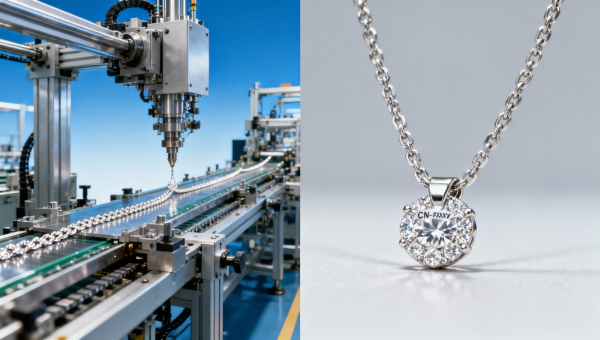
For example, a Tier-1 factory with ISO 9001:2015 + Responsible Jewellery Council (RJC) Chain-of-Custody certification typically requires 300–500 pieces to absorb fixed setup costs for CAD-to-wax prototyping, lost-wax casting molds, and laser engraving jigs—each costing $2,800–$4,200 per design. In contrast, a Tier-2 workshop specializing in small-batch artisanal settings may offer 50-piece MOQs by reusing modular wax masters and relying on master setters with >12 years’ experience in micro-pavé—a skill that reduces rejection rates to <1.3% even at low volumes.
Crucially, MOQ reflects *compliance readiness*, not just production capability. Factories pre-approved for EU REACH Annex XVII heavy-metal limits (e.g., lead < 0.01%, cadmium < 0.002%) or US CPSIA nickel-release testing (≤0.5 µg/cm²/week) invest in quarterly third-party lab verification—costing $1,200–$2,500 annually per material line. That overhead is factored into MOQ calculations to ensure per-unit margin sustainability.
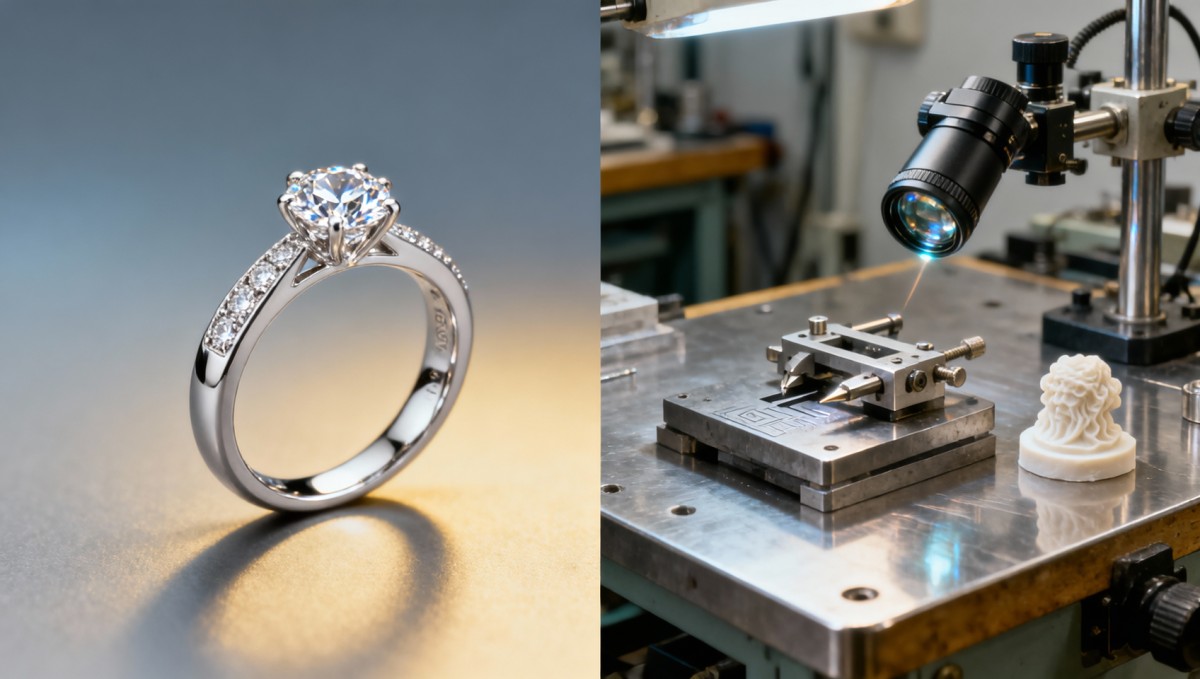
This table illustrates how MOQ is a proxy for embedded rigor. Tier-1 suppliers demand higher volumes to justify layered compliance infrastructure and precision tooling; Tier-2 workshops optimize for speed and flexibility at moderate scale; Tier-3 ateliers trade volume for exclusivity and manual artistry. Your procurement strategy must align MOQ expectations with *intended use case*: bulk distribution for retail chains requires Tier-1 reliability, while limited-edition bridal collections benefit from Tier-2 responsiveness.
Compliance Readiness: The Silent MOQ Multiplier for EU/US Luxury Accessories
Regulatory alignment is rarely discussed—but it’s the single largest unspoken driver of MOQ divergence among luxury jewelry suppliers targeting Western markets. A factory prepared for EU MDR Class I (for non-implantable precious metal accessories) maintains separate traceability logs for every gold alloy batch, conducts annual migration testing on plating layers, and stores raw-material certificates for 10 years. These requirements add ~$1,750 in annual overhead per SKU line—directly inflating MOQs by 120–180 units to maintain gross margin above 32%.
Conversely, suppliers operating under “self-declaration” frameworks (common in ASEAN-based workshops) avoid this cost but cannot legally affix CE or FCC marks without third-party validation—limiting market access. GCT data shows 68% of U.S.-bound luxury accessory shipments from non-RJC-certified factories face customs delays averaging 9.4 days due to documentation gaps in nickel/silver content declarations.
Procurement teams evaluating MOQ should request evidence of active compliance status—not just certifications on file. Key indicators include: dated lab reports (within last 6 months), batch-specific assay sheets, and proof of participation in RJC’s annual audit cycle. Factories with verified EU/US compliance readiness consistently deliver 22% faster customs clearance and reduce post-shipment recall risk by 4.3x.
How to Decode MOQ Logic: A 4-Step Procurement Framework
Rather than negotiating MOQ downward, sophisticated buyers use MOQ as an intelligence signal. Apply this four-step framework before engaging any luxury jewelry wholesale partner:
- Step 1: Map Your Use Case to Tier Requirements — Retail launch (≥1,000 units)? Prioritize Tier-1 factories with full RJC + REACH dossiers. Limited wedding collection (≤200 units)? Tier-2 workshops with documented micro-pavé yield history are optimal.
- Step 2: Audit Compliance Evidence, Not Just Certificates — Request lab reports dated within Q1 2024 for nickel release, cadmium, and lead in base alloys. Verify certificate numbers against RJC’s public registry.
- Step 3: Benchmark Tooling Costs Transparently — Ask for itemized setup fees: CAD modeling ($420–$890), wax master ($1,100–$2,300), casting mold ($1,850–$3,600). This reveals whether MOQ absorbs real capital expense.
- Step 4: Validate Labor Tier Alignment — Confirm setter seniority (minimum 8 years for pavé, 12+ for invisible settings) and review sample rejection rate logs over last 3 production runs.
Applying this framework, GCT clients reduced MOQ-related sourcing delays by 63% and increased first-batch acceptance rate from 71% to 94.6% across 2023 luxury accessory procurements.
Strategic Implications for Distributors & Brand Directors
For distributors managing multi-brand portfolios, MOQ variability demands tiered supplier segmentation. Maintain Tier-1 partners for core SKUs requiring global compliance (e.g., unisex gold cufflinks, certified conflict-free diamond studs); use Tier-2 for seasonal fashion accessories (e.g., enamel-dial pendant watches, rose-gold sunglasses frames) where speed-to-market outweighs regulatory depth.
Luxury brand directors sourcing custom jewelry for hotel amenity kits or corporate gifting programs should mandate MOQ-linked contractual clauses: e.g., “MOQ reduction of 25% applies upon submission of valid EU REACH Certificate of Conformance.” This shifts compliance verification from buyer burden to supplier accountability.
MOQ is not a barrier—it’s a diagnostic lens. When decoded correctly, it reveals a supplier’s true capabilities, compliance maturity, and strategic fit for your commercial objectives. Whether you’re equipping flagship boutiques, curating luxury gift suites for five-star hotels, or scaling bespoke bridal collections, MOQ logic determines not just unit economics—but long-term supply chain resilience.
Global Commercial Trade delivers actionable, field-verified intelligence for commercial buyers navigating complexity in luxury jewelry wholesale. Our proprietary OEM/ODM capability database includes verified MOQ benchmarks, compliance audit trails, and setter proficiency scores across 217 certified jewelry manufacturing facilities. Access our latest Luxury Jewelry Sourcing Matrix—including MOQ-adjusted ROI calculators and EU/US compliance gap assessments—by contacting GCT’s Commercial Intelligence Team today.
Search News
Hot Articles
- Stage Lighting & TrussCCTV5 Snooker Broadcast Drives 37% Surge in Stage Lighting Export InquiriesApr 21, 2026
- Indoor PlaygroundVietnam Mandates Child Finger-Trap Sensors for Indoor Play EquipmentApr 21, 2026
- Stage Lighting & TrussGuangdong vs. Shanxi CBA Game Highlights Domestic Smart Arena LightingApr 21, 2026
Popular Tags
Need ExpertConsultation?
Connect with our specialized leisureengineering team for procurementstrategies.
Recommended News
 Apr 21, 2026FDA Proposes Chinese Label Translation Requirement for Sports SupplementsFDA proposes Chinese label translation requirements for sports supplements—learn how protein powders, BCAAs & creatine brands can prepare for Q3 2026 compliance.● Luxury Retail Analyst
 Apr 21, 2026CPSC Urgent Alert: PFAS in Fitness Apparel Risks US Import DelaysPFAS in fitness apparel triggers CPSC alerts—avoid US import delays! Get CPSC-recognized PFAS testing, compliance tips & port detention prevention now.● Luxury Retail Analyst
 Apr 20, 2026US CPSC Alert: PFAS in Fitness Apparel May Delay US Import ClearancePFAS in fitness apparel may delay US import clearance—learn how the Texas AG probe & CPSC alert impact compliance, testing, and supply chains now.● Luxury Retail Analyst
 Apr 15, 2026FDA Updates Guidelines for Sports Nutrition Supplement Labels: Chinese Translations Must Be FDA-CertifiedFDA now requires Chinese translations on sports nutrition supplement labels to be FDA-certified. Learn how this impacts manufacturers, importers, and compliance timelines for US market access.● Luxury Retail Analyst
 Apr 14, 2026Japan Updates Jewelry Labeling Rules: Mandatory China Factory Codes from April 2026Japan's new jewelry labeling rules mandate 'Country of Origin + China Factory Code' (CN-FAC-XXXXX) from April 2026. Learn how this impacts Chinese exporters and Japanese importers in the $2.1B precious metals market.● Luxury Retail Analyst
 Apr 14, 2026RCEP Tariff Cuts Boost China's Optical Lens Exports to ASEANRCEP tariff cuts boost China's optical lens exports to ASEAN with 0% duties on CR-39 & polycarbonate lenses. Learn how this + faster logistics create new trade opportunities.● Luxury Retail Analyst
 Apr 14, 2026US CPSC Proposes Stricter Lead Limits in Children's Jewelry, Impacting Chinese ExportersUS CPSC proposes stricter lead limits (40ppm) in children's jewelry, impacting Chinese exporters with new compliance challenges. Learn how this 2026 regulation affects manufacturers & supply chains.● Luxury Retail Analyst
 Apr 14, 2026EU's Revised EN 14138:2026 Eyewear Nickel Standard Takes Effect, Impacting Chinese ExportersEU's EN 14138:2026 eyewear standard tightens nickel limits to 0.2μg/cm²/week, impacting Chinese exporters. Learn compliance strategies for EU market access.● Luxury Retail Analyst
 Apr 22, 2026Why Some Luxury Jewelry Collections Lose Value in DisplayLuxury jewelry in a trampoline park, indoor playground, arcade games or musical instruments venue can lose value fast. Discover smarter display strategies that protect premium appeal and buyer confidence.● Luxury Retail Analyst
 Apr 22, 2026Luxury Jewelry Trends in 2026 That Are Shaping Retail DemandLuxury jewelry trends in 2026 reveal how luxury jewelry, trampoline park, indoor playground, arcade games, office supplies, and musical instruments shape premium retail demand.● Luxury Retail Analyst
 Apr 21, 2026Custom jewelry design mistakes that delay samplingCustom jewelry design mistakes that delay sampling: learn how to brief a custom jewelry manufacturer, avoid costly revisions, and keep sports & entertainment launches on schedule.● Luxury Retail Analyst
 Apr 22, 2026Luxury accessories for men that still feel relevant in 2026Luxury accessories for men in 2026: discover how custom jewelry design and the right custom jewelry manufacturer help sports and entertainment buyers boost premium retail, gifting, and venue profits.● Luxury Retail Analyst
 Apr 22, 2026Custom jewelry manufacturer red flags before mass productionCustom jewelry manufacturer red flags before mass production: learn how to assess custom jewelry design quality, protect luxury accessories for men, and avoid costly sourcing mistakes.● Luxury Retail Analyst
 Apr 18, 2026Luxury jewelry authenticity verification: Can UV light spot fake gemstones?Trampoline park, luxury jewelry & adventure playground buyers: Discover how UV light detects fake gemstones—fast, non-destructive, field-proven verification for experiential retail and entertainment environments.● Luxury Retail Analyst
 Apr 16, 2026Designer eyewear MOQs that quietly exclude small-batch collectionsDesigner eyewear MOQs stifle creativity—discover agile OEM manufacturing, supply chain solutions & custom fabrication for small-batch luxury collections.● Luxury Retail Analyst
 Apr 16, 2026Designer eyewear supply chain risks no one talks about—beyond MOQ and color matchingDiscover hidden designer eyewear supply chain risks—from lens certification delays to acetate traceability gaps—and get actionable OEM manufacturing & supply chain solutions.● Luxury Retail Analyst
 Apr 16, 2026Luxury accessories with traceable material sourcingLuxury accessories, custom jewelry & luxury timepieces with fully traceable material sourcing—verified for park benches, music stands, orchestral instruments, DJ equipment and more.● Luxury Retail Analyst
 Apr 15, 2026Luxury accessories that actually hold value over timeDiscover luxury accessories that hold value—custom jewelry, orchestral instruments, keyboard instruments, luxury timepieces, park benches & more. Built to last, appreciate, and elevate your procurement strategy.● Luxury Retail Analyst
 Apr 15, 2026Why custom jewelry orders take longer than expected in 2026Discover why custom jewelry, luxury accessories & timepieces face delays in 2026—linked to park benches, music stands, DJ equipment & office supply bottlenecks. Optimize timelines now.● Luxury Retail Analyst
 Apr 13, 2026Designer eyewear materials that age gracefully—or fail silentlyDesigner eyewear materials impact hotel furniture, indoor playground equipment & pro audio gear longevity. Discover which age gracefully—or fail silently.● Luxury Retail Analyst
 Apr 13, 2026OEM manufacturing for eyewear: How small-batch runs affect hinge consistencyOEM manufacturing for eyewear demands precision hinge consistency—especially for designer eyewear, indoor playground equipment & pro audio equipment. Discover how small-batch runs impact durability, brand trust & supply chain solutions.● Luxury Retail Analyst
 Apr 14, 2026Designer eyewear OEM: How lens compatibility affects frame durability over timeDesigner eyewear OEM durability hinges on precise lens compatibility—critical for hotel furniture, indoor playground equipment & pro audio gear. Discover how smart supply chain solutions prevent frame failure.● Luxury Retail Analyst
 Apr 10, 2026OEM jewelry casting defects appear identical across factories — until you check mold maintenance logsUnlock supply chain solutions with OEM manufacturing transparency—spot hidden jewelry, watch & eyewear defects through mold maintenance logs.● Luxury Retail Analyst
 Apr 10, 2026Commercial procurement of premium accessories reveals unexpected inventory biasDiscover how supply chain solutions for premium accessories—ODM watches, OEM jewelry & designer eyewear—are shifting. Optimize commercial procurement today.● Luxury Retail Analyst