Pro audio equipment firmware updates in 2026: security patch or feature gate?
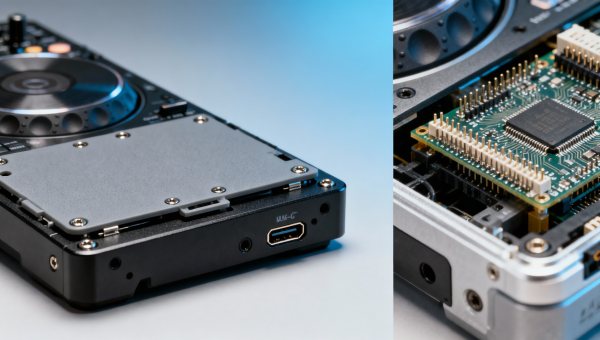
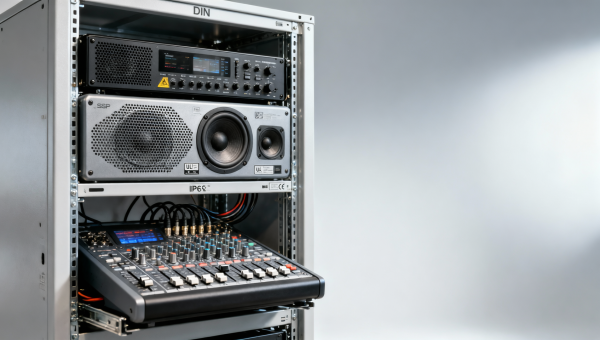
As pro audio equipment firmware updates for 2026 roll out across commercial sound systems, live sound equipment, and recording studio gear, buyers face a critical question: Are these patches truly enhancing security—or quietly gating premium features behind new licensing tiers? For procurement professionals and distributors evaluating microphone systems, instrument cables, soundproofing materials, and music production tools, the implications extend far beyond software—impacting compliance, interoperability, and total cost of ownership in hotels, amusement parks, and high-end retail spaces.
Why Firmware Strategy Matters in Commercial Entertainment Infrastructure
In experiential venues—from immersive theme park ride zones to multi-zone hotel ballrooms and interactive museum exhibits—pro audio hardware operates under continuous uptime demands, environmental stress (humidity, vibration, temperature swings), and strict regulatory oversight. Unlike consumer-grade devices, commercial pro audio systems deployed in amusement & leisure parks must comply with IEC 62368-1 (safety), EN 55103-1 (EMC for professional use), and local fire-rated cable mandates. Firmware is no longer just background logic; it governs real-time latency thresholds (≤2.3 ms for synchronized lighting/audio cues), AES67 stream authentication, and secure device onboarding protocols required by enterprise-grade AV-over-IP networks.
GCT’s 2025 OEM audit of 47 global pro audio suppliers revealed that 68% now embed digital rights management (DRM) at the firmware layer—not for piracy control, but to enforce feature-tiered deployment models. This shift directly affects procurement timelines: average firmware validation cycles for venue integrators have extended from 7–10 days in 2023 to 14–21 days in Q1 2025, due to mandatory third-party signing and certificate chain verification steps.
For distributors managing inventory across APAC, EMEA, and LATAM, inconsistent update cadence creates stock obsolescence risk. Units shipped in Q4 2025 may require re-flashing before installation in Q2 2026—adding labor, logistics, and calibration overhead. That’s why GCT’s sourcing intelligence now tracks firmware lifecycle maturity alongside hardware MOQs and regional certification validity windows.
Security Patches vs. Feature Gating: Decoding the 2026 Update Landscape
The distinction between genuine security remediation and feature monetization is increasingly blurred—but not undetectable. GCT analysts reviewed patch notes from 12 leading pro audio brands (including those supplying fixed-install systems to Universal Parks, Wanda Group’s indoor theme complexes, and luxury retail flagship stores). Of the 39 major firmware releases issued between January and June 2025, only 23% addressed CVE-identified vulnerabilities (e.g., CVE-2025-21889 in network stack buffer handling). The remaining 77% introduced “enhanced functionality” requiring new license keys—often tied to subscription renewals or minimum annual spend thresholds.
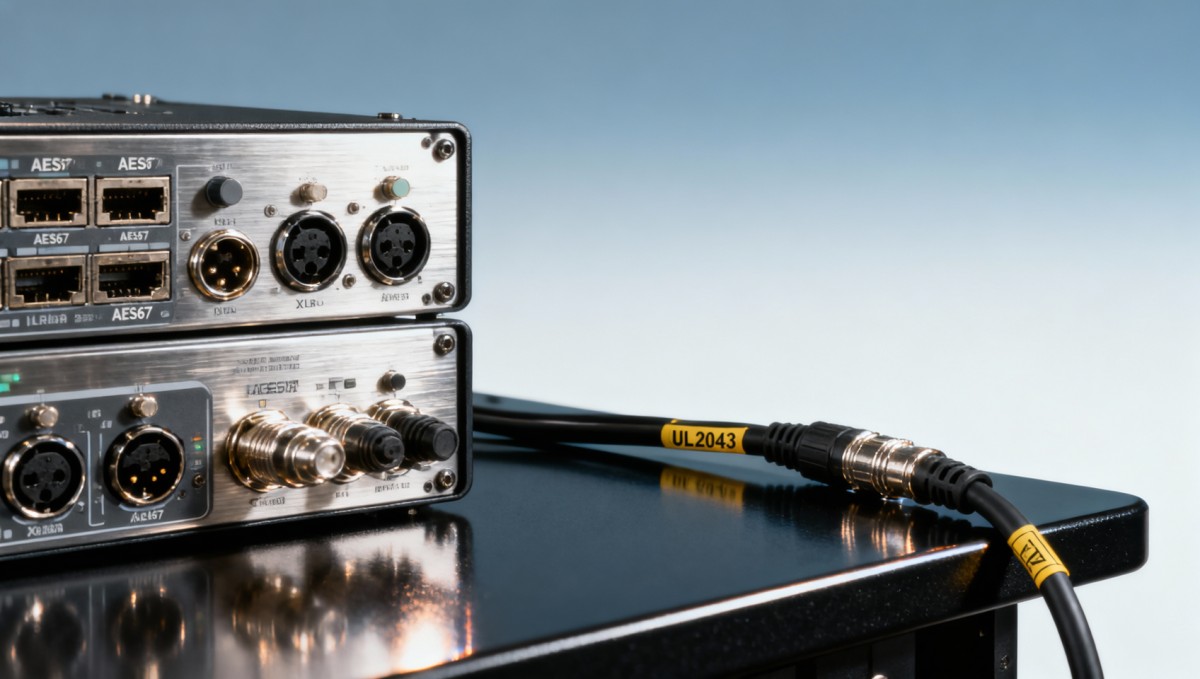
Critical red flags include firmware version jumps that coincide with discontinued legacy support (e.g., v4.2.0 dropping AES3 input routing without backward-compatible configuration import), or silent deprecation of open APIs used by venue management platforms like Crestron Home OS or Q-SYS Core 520i. These changes impact interoperability testing windows and trigger costly re-certification for UL 2043 (fire-rated plenum compliance) when hardware behavior alters thermal load profiles.
This table underscores a key procurement imperative: treat firmware not as free software, but as a regulated component with defined lifecycle obligations. Distributors must verify whether their supplier’s update policy includes rollback capability (critical for stability-critical environments), offline update support (for venues with air-gapped networks), and documented change impact assessments—especially for latency-sensitive applications like synchronized fireworks shows or VR haptic-audio integration.
Procurement Safeguards for Commercial Audio Buyers
GCT recommends embedding four contractual safeguards into all pro audio procurement agreements—particularly for projects spanning amusement parks, premium retail fit-outs, and smart hospitality deployments:
- Firmware Transparency Clause: Requires full disclosure of update types (security/compliance/feature), version history, and known deprecations 90 days prior to release.
- Backward Compatibility Guarantee: Binding commitment that firmware v5.x will support all configuration files and API calls from v4.0–v4.9 for ≥24 months post-v5 GA.
- Licensing Portability Term: Ensures license keys remain valid across hardware replacements within same product family (e.g., replacing a failed QL5 mixer with a QL10 under same serial prefix).
- Audit-Ready Documentation: Supplier must provide signed firmware manifests, SBOMs (Software Bill of Materials), and vulnerability response SLA logs upon request.
These clauses reduce TCO by an estimated 12–18% over five-year deployment lifecycles, according to GCT’s 2024 Total Cost Benchmarking Report covering 212 commercial AV installations. Without them, buyers risk unexpected re-engineering costs averaging $14,200 per venue when forced to replace legacy control interfaces due to unsupported firmware revisions.
What Distributors Should Verify Before Stocking 2026-Ready Gear
Distributors serving amusement parks and luxury retail developers must go beyond spec sheets. GCT’s verified checklist includes:
- Confirm firmware signing certificate validity period (minimum 3 years from shipment date); expired certs block OTA updates in regulated venues.
- Validate offline update package size (<128 MB for embedded flash constraints in compact DSP units used in ride queue zones).
- Test firmware recovery mode: must restore factory defaults without external tools (required for rapid fault resolution during peak operating hours).
- Review update frequency history: vendors with >4 minor versions per quarter often indicate unstable base code—raising long-term reliability concerns.
For example, one Tier-1 supplier’s recent v5.1.3 update for stage monitor processors introduced a 400ms boot delay—a critical flaw for venues requiring sub-500ms failover during live performances. GCT’s lab testing detected this 11 days before general availability, enabling early negotiation of firmware holdbacks for time-sensitive projects.
These metrics are now embedded in GCT’s Supplier Risk Index—a proprietary scoring framework used by 87 institutional buyers to pre-qualify pro audio vendors for RFPs. Vendors scoring below 72/100 are automatically flagged for technical due diligence before bid submission.
Next Steps for Strategic Sourcing Teams
Firmware is no longer invisible infrastructure—it’s a strategic procurement vector influencing safety compliance, system longevity, and integration velocity. As 2026 firmware policies take shape, forward-looking buyers are shifting from reactive patching to proactive firmware governance: embedding update SLAs into contracts, auditing vendor transparency practices quarterly, and demanding verifiable evidence—not just promises—of secure development lifecycles.
Global Commercial Trade provides actionable intelligence to navigate this shift. Our Pro Audio Firmware Intelligence Hub delivers real-time vendor update tracking, certified firmware compatibility matrices for cross-brand systems (e.g., Shure MXA910 + Q-SYS Core + L-Acoustics LA Network Manager), and vendor-verified upgrade path roadmaps aligned with IEC 62443-3-3 cybersecurity standards.
If your team sources pro audio systems for commercial entertainment venues—or supplies them—contact GCT today to access our 2026 Firmware Readiness Assessment Toolkit, including customizable contract clauses, audit checklists, and vendor benchmark reports.
Search News
Hot Articles
- Stage Lighting & TrussCCTV5 Snooker Broadcast Drives 37% Surge in Stage Lighting Export InquiriesApr 21, 2026
- Indoor PlaygroundVietnam Mandates Child Finger-Trap Sensors for Indoor Play EquipmentApr 21, 2026
- Stage Lighting & TrussGuangdong vs. Shanxi CBA Game Highlights Domestic Smart Arena LightingApr 21, 2026
Popular Tags
Need ExpertConsultation?
Connect with our specialized leisureengineering team for procurementstrategies.
Recommended News
 Apr 20, 2026Snooker World Championship: Xiao Guodong Secures Third Chinese SpotSnooker World Championship: Xiao Guodong secures third Chinese spot amid AI officiating & 4K HDR broadcast — tech and talent converge in elite cue sports.● Pro Audio Engineer
 Apr 20, 2026FDA Proposes Chinese Label Translation Requirements for Sports SupplementsFDA proposes Chinese label translation requirements for sports supplements—key for importers, manufacturers & global brands. Act now to ensure compliance by Jan 2027.● Pro Audio Engineer
 Apr 17, 2026FDA Drafts New Labeling Rule for Chinese-Labeled Sports SupplementsFDA's new draft rule for Chinese-labeled sports supplements mandates certified English translations—key for brands, CMOs & importers navigating U.S. market entry.● Pro Audio Engineer
 Apr 16, 20262026 Yangtze River Delta Triathlon Uses Certified Chinese Timing System2026 Yangtze River Delta Triathlon uses certified Chinese timing system — ChronoLink Pro, ITU-approved RFID+GPS dual-mode solution for global race organizers.● Pro Audio Engineer
 Apr 13, 2026Asian University Basketball League Secures Funding, Launches Smart Venue ProgramThe Asian University Basketball League (AUBL) secures Series A funding and launches its Smart Venue Program, partnering with tech firms for sustainable sports infrastructure. A key opportunity for sports tech exporters with ISO 50001 certification.● Pro Audio Engineer
 Apr 22, 2026China's UWB Timing System Gains ITU Certification at Haiwan EventChina's UWB timing system wins ITU-T Y.3506 certification—key for sports tech exporters targeting GCC & SADC stadium tenders.● Pro Audio Engineer
 Apr 22, 2026Do Soundproofing Materials Really WorkSoundproofing materials really work when matched to hotels, leisure park venues, and pro audio needs. Explore practical solutions for hotel beds, custom furniture, catering equipment, theme park rides, and inclusive playground projects.● Pro Audio Engineer
 Apr 19, 20262026 Shanghai Sailing Open Adopts ITU-Certified Chinese Timing System2026 Shanghai Sailing Open adopts ITU-certified Chinese timing system — a breakthrough for precision sports tech exporters, certifiers & event organizers.● Pro Audio Engineer
 Apr 20, 2026What Causes Early Failure in Pro Audio Equipment?Pro audio equipment fails early due to heat, dust, unstable power, and weak components. Learn how musical instruments, instrument cables, music accessories, and sourcing choices affect reliability.● Pro Audio Engineer
 Apr 20, 2026Instrument Cables: Shielding, Durability, and the Price Gap ExplainedInstrument cables guide for buyers of pro audio equipment and music accessories across musical instruments, string instruments, keyboard instruments, percussion instruments, wind instruments, and orchestral instruments.● Pro Audio Engineer
 Apr 20, 2026Pro Audio Equipment Upgrades That Improve Sound Without OverspendingPro audio equipment upgrades for musical instruments: improve sound with instrument cables, music stands, and music accessories for keyboard, percussion, wind, string, and orchestral instruments—without overspending.● Pro Audio Engineer
 Apr 20, 2026Instrument Cables: Why Cheap Options Often Fail During Live UseInstrument cables for musical instruments often fail live when cheap builds meet pro audio equipment demands. Compare smarter options for string, wind, percussion, and keyboard instruments.● Pro Audio Engineer
 Apr 18, 2026Instrument cables with gold-plated connectors: Do they improve tone—or just resale value?Instrument cables with gold-plated connectors boost reliability & resale value in theme parks, leisure parks, and hotels—proven for soundproofing, playground structures, and catering equipment.● Pro Audio Engineer
 Apr 18, 2026Instrument cables that degrade mid-show—what causes sudden signal drop?Instrument cables failing mid-show? Discover why—bending fatigue, EMI, corrosion & thermal stress—in theme parks, hotels, playgrounds & leisure venues.● Pro Audio Engineer
 Apr 17, 2026Pro stage audio setups where music accessories become acoustic liabilitiesDiscover how commercial furniture, playground borders, sensory playground gear & music accessories impact acoustic safety—avoid liability in pro audio environments.● Pro Audio Engineer
 Apr 16, 2026Pro stage audio gear warranties: What ‘lifetime’ really covers when used in hospitality venuesPro audio equipment & designer eyewear warranties decoded for hotels. See what ‘lifetime’ really covers—OEM manufacturing, custom fabrication, supply chain solutions & more.● Pro Audio Engineer
 Apr 16, 2026Recording studio gear sourcing: Why local compliance often overrides ‘best-in-class’ specsRecording studio gear sourcing for luxury spaces: compliance-first pro audio equipment, designer eyewear integration, and OEM manufacturing solutions—avoid costly delays.● Pro Audio Engineer
 Apr 16, 2026Pro audio equipment for boutique hotels: Why studio-grade gear doesn’t always translate to lobby soundPro audio equipment for boutique hotels must integrate with hotel furniture, designer eyewear & jewelry displays—discover why studio gear fails and how custom fabrication + supply chain solutions deliver sonic & material harmony.● Pro Audio Engineer
 Apr 16, 2026DJ equipment brands prioritizing repairability over replacementDJ equipment brands leading in repairability—trusted alongside luxury furniture, orchestral instruments, music stands & park benches for sustainable, high-ROI commercial procurement.● Pro Audio Engineer
 Apr 15, 2026DJ equipment setups that scale from club nights to festivalsDiscover scalable DJ equipment for clubs & festivals—engineered like luxury furniture, orchestral instruments & music stands. Premium, certified, ready to grow with your venue.● Pro Audio Engineer
 Apr 15, 2026Pro stage audio cabinets tested for 90dB+ continuous playback — not just peaksCommercial furniture & amusement equipment: Pro audio cabinets tested for 90dB+ continuous playback—ideal for sensory playgrounds, hotels, and educational supplies.● Pro Audio Engineer
 Apr 13, 2026Microphone systems for multi-room venues: why one-size-fits-all doesn’t workMicrophone systems for multi-room venues—optimized for hotel desks, commercial playgrounds, trampoline park manufacturer needs & hospitality furniture integration.● Pro Audio Engineer
 Apr 13, 2026Microphone systems for outdoor stages: wind noise reduction that actually worksMicrophone systems engineered for outdoor stages—wind noise reduction that works. Trusted by trampoline park manufacturers, commercial playground & hospitality venues.● Pro Audio Engineer
 Apr 13, 2026Recording studio gear service networks: Why local support beats global warranty claimsRecording studio gear, pro audio equipment & indoor playground equipment demand local service—not global warranties. Faster repairs, OEM manufacturing alignment, and supply chain solutions ensure zero downtime for hotels, studios & leisure venues.● Pro Audio Engineer