Middle East Tensions Raise Shipping Costs for Sports Equipment
Introduction
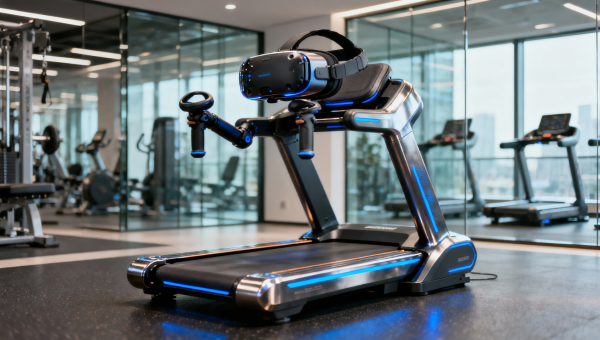
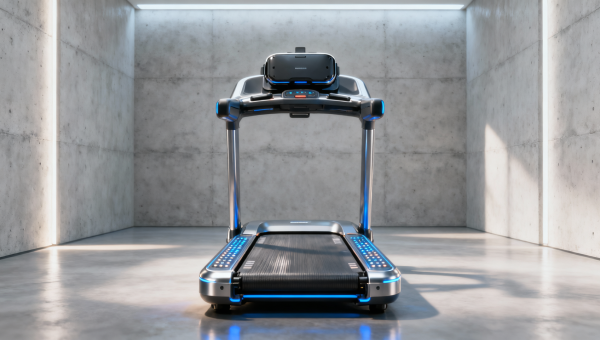
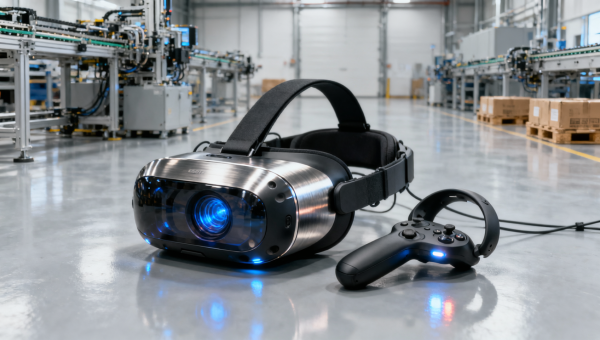
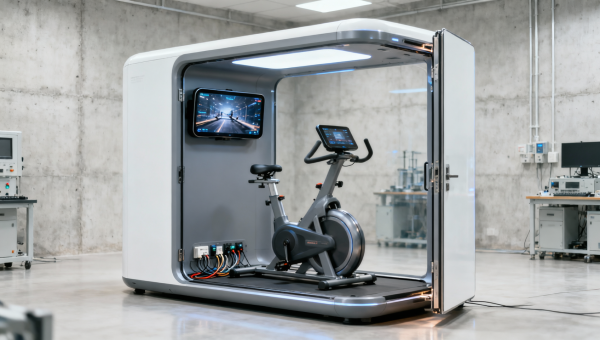
On April 2, 2026, escalating tensions in the Middle East have led to increased shipping risks through the Strait of Hormuz, causing a 12% rise in air freight costs for sports and recreational equipment within a week. This development particularly affects industries involved in the trade of smart fitness devices, VR equipment, and electric scooter parts, as heightened security measures and insurance rate hikes disrupt supply chains to the Middle East, Africa, and parts of Southern Europe. The situation warrants close attention from businesses reliant on these routes for timely deliveries and cost management.
Event Overview
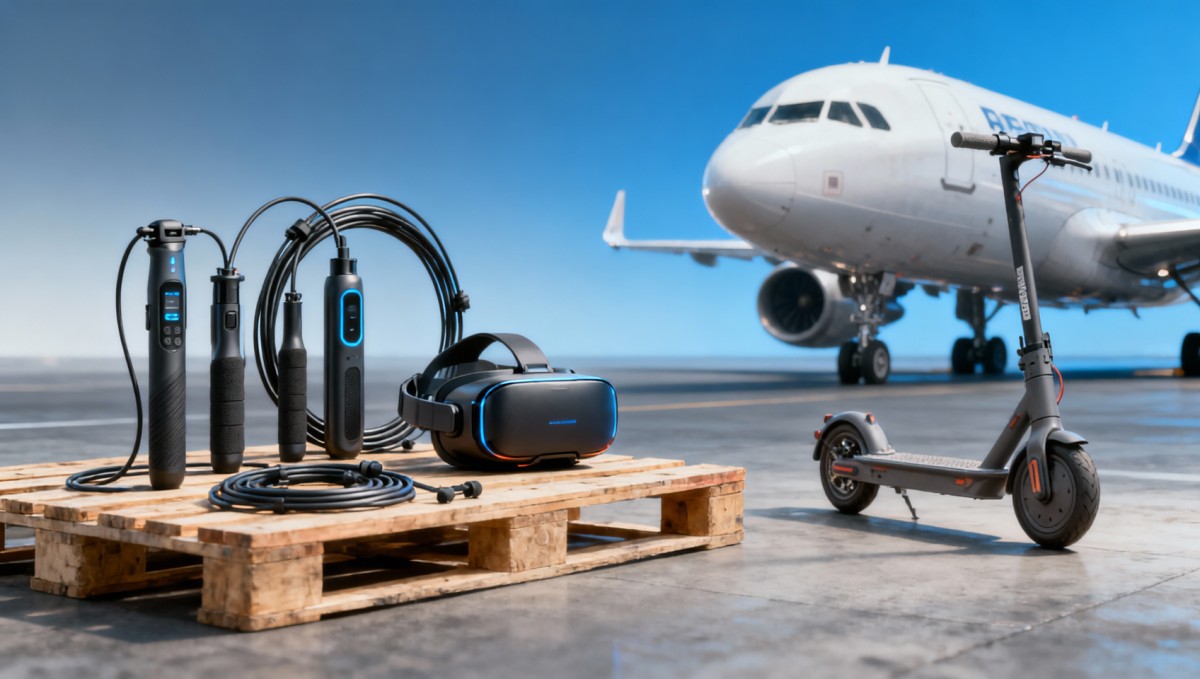
Following heightened U.S.-Iran tensions, major Middle Eastern hub airports, including those in the UAE and Saudi Arabia, implemented stricter security checks and转运 restrictions on运动电子设备 containing lithium batteries (e.g., smart jump ropes, VR fitness kits, and e-scooter accessories) starting April 2, 2026. Concurrently, increased insurance premiums for shipments passing through the Strait of Hormuz have contributed to a 12% weekly surge in air freight costs for these goods from China to affected regions. Major freight forwarders are now evaluating alternative routes to mitigate disruptions.
Impact on Sub-Sectors
1. Direct Exporters of Sports & Fitness Equipment
Manufacturers and traders shipping smart fitness products to the Middle East, Africa, or Southern Europe face immediate cost pressures. Delays due to enhanced安检 may also lead to missed delivery deadlines, risking contractual penalties.
2.供应链服务 Providers
Freight forwarders and logistics firms must recalibrate pricing models and route planning. The 12% cost spike could squeeze margins unless surcharges are passed on to clients, potentially triggering renegotiations.
3. Retailers in Target Markets
Local distributors may experience inventory shortfalls or higher landed costs, forcing price adjustments that could dampen consumer demand during peak fitness seasons.
Key Focus Areas & Recommended Actions
Monitor Regulatory Updates
Track announcements from Middle Eastern aviation authorities regarding锂电池设备 restrictions. Policy shifts could extend to other product categories or transit hubs.
Evaluate Alternative Transport Modes
For non-time-sensitive shipments, consider sea-rail combinations bypassing Hormuz, though lead times will lengthen. Prioritize air routes via alternative hubs like Istanbul or Nairobi.
Review Contractual Terms
Reassess Incoterms and cost-sharing clauses with partners to account for volatile freight expenses. Explore force majeure provisions if delays exceed thresholds.
Diversify Supplier Networks
Nearshoring production or sourcing batteries from non-Chinese suppliers could reduce exposure to route-specific disruptions.
Industry Observation
分析来看,this incident underscores the fragility of global supply chains amid geopolitical flare-ups. While the 12% cost increase is tangible, the broader signal is the growing operational risks in traditionally reliable trade corridors. The运动器材 sector’s reliance on lithium batteries—a perennial安检 hotspot—makes it uniquely vulnerable. Proactive contingency planning will differentiate resilient operators.
Conclusion
The current situation is best understood as a multi-layered disruption combining regulatory, logistical, and insurance challenges. Businesses should treat it as a stress test for their supply chain agility rather than a temporary cost hurdle. With freight forwarders already exploring alternatives, the coming weeks will reveal whether this spike stabilizes or escalates further.
Sources
• Primary: Freight cost data from major货代 firms (as of April 2, 2026)
• Pending: Official statements from Middle Eastern aviation authorities on long-term安检 policies
Search News
Hot Articles
- Stage Lighting & TrussCCTV5 Snooker Broadcast Drives 37% Surge in Stage Lighting Export InquiriesApr 21, 2026
- Indoor PlaygroundVietnam Mandates Child Finger-Trap Sensors for Indoor Play EquipmentApr 21, 2026
- Stage Lighting & TrussGuangdong vs. Shanxi CBA Game Highlights Domestic Smart Arena LightingApr 21, 2026
Popular Tags
Need ExpertConsultation?
Connect with our specialized leisureengineering team for procurementstrategies.
Recommended News
 Apr 21, 2026Global VR Fitness Equipment Export Prices Rise 12% in Q1 2026VR fitness equipment export prices surge 12% in Q1 2026—driven by EU safety mandates. Discover cost impacts, compliance risks & supply chain insights.● Theme Park Strategist
 Apr 21, 2026Vietnam TUV SUD Enforces Local Type Testing for VR Fitness CabinsVR fitness cabins entering Vietnam must now undergo local TUV SUD type testing—EMC & safety checks in Hanoi or Ho Chi Minh City starting April 2026. Key for exporters, certifiers & distributors.● Theme Park Strategist
 Apr 21, 2026SASO Updates EMC Standard for VR Motion Devices in Saudi ArabiaSASO EMC update for VR motion devices in Saudi Arabia: Class B compliance now mandatory for fitness pods, edutainment cabins & arcade systems—act now to avoid shipment delays.● Theme Park Strategist
 Apr 20, 2026Global VR Fitness Device Export Price Up 12% in Q1 2026VR fitness device export prices surged 12% in Q1 2026—discover key drivers, regional impacts, and strategic actions for exporters, suppliers & logistics partners.● Theme Park Strategist
 Apr 20, 2026SASO Updates VR Haptic Device EMC Standard to Class B in Saudi ArabiaSASO VR haptic device EMC update: Class B standard now mandatory in Saudi Arabia from July 1, 2026. Ensure compliance for VR/AR hardware, imports & venues.● Theme Park Strategist
 Apr 20, 2026Vietnam TUV SUD Enforces Local Type Test for Commercial VR Fitness CabinsVietnam TUV SUD now mandates local type testing for commercial VR fitness cabins — including latency, EMC & safety checks. Act now to secure QCVN compliance and market access.● Theme Park Strategist
 Apr 17, 2026Global VR Fitness Equipment Export Prices Rise 12% in Q1 2026VR fitness equipment export prices surge 12.3% in Q1 2026—key insights for exporters, manufacturers & supply chain partners on compliance, pricing, and delivery trends.● Theme Park Strategist
 Apr 17, 2026SASO 2891:2026 Updated: VR Haptic Devices Now Require EMC Class B in Saudi ArabiaSASO 2891:2026 update mandates EMC Class B for VR haptic devices in Saudi Arabia — critical for OEMs, exporters & EdTech suppliers. Act now to avoid delays!● Theme Park Strategist
 Apr 17, 2026Vietnam TUV SUD Mandates Local Type Testing for VR Fitness CabinsVR fitness cabins for gyms & hotels in Vietnam now require local type testing—EMC, thermal, and AI fall detection—to obtain VIEC certification. Act now to avoid delays!● Theme Park Strategist
 Apr 16, 2026VR Fitness Device Export Prices Up 12% — China Supply Stability LeadsVR fitness device export prices up 12%—China’s supply stability and modular hardware-software delivery redefine global competitiveness. Act now.● Theme Park Strategist
 Apr 16, 2026Vietnam Mandates Local TUV SUD Type Testing for VR Fitness CabinsVR fitness cabins entering Vietnam must now pass local TÜV SÜD type testing in Hanoi—key for compliance, customs clearance & market access by July 1, 2026.● Theme Park Strategist
 Apr 16, 2026SASO Updates Playground Standards: VR Devices Now Require EMC TestingSASO now mandates EMC testing for VR playground devices in Saudi Arabia—key update for VR cycling, climbing & motion cabins exporters.● Theme Park Strategist
 Apr 15, 2026Vietnam's New Regulation: Commercial VR Fitness Pods Require Local TUV SUD TestingVietnam's new regulation mandates TUV SUD testing for commercial VR fitness pods. Learn how this impacts exporters, compliance timelines, and market entry strategies for Chinese manufacturers.● Theme Park Strategist
 Apr 15, 2026Global VR Fitness Equipment Export Prices Rise 12% YoY, China Maintains Supply Chain StabilityGlobal VR fitness equipment export prices surge 12% YoY in 2026 Q1, with China maintaining 96.3% delivery reliability. Key insights for VR hardware manufacturers & fitness distributors facing cost pressures.● Theme Park Strategist
 Apr 14, 2026US CPSC Seeks Comments on New Fitness Tracker Rules, Chinese Exporters Need UL/ETL ComplianceUS CPSC proposes new UL/ETL compliance rules for fitness trackers, impacting Chinese exporters. Learn key action points and industry impacts to stay ahead of regulatory changes affecting wearable tech exports to America.● Theme Park Strategist
 Apr 13, 20262026 Chinese Youth League Upgrades Format with VR Training PodsDiscover how China's 2026 Youth League VR training pods revolutionize football development, boosting exports by 210%. Learn about FIFA-certified tech transforming player training.● Theme Park Strategist
 Apr 09, 2026US CPSC Proposes New VR Safety Standards for Children's Indoor Play EquipmentUS CPSC proposes new VR safety standards for children's indoor play equipment, including dizziness testing and age grading. Learn how these regulations impact VR manufacturers and get compliance strategies.● Theme Park Strategist
 Apr 22, 2026SASO Updates EMC Standard for VR Haptic Devices in Saudi ArabiaSASO EMC standard update for VR haptic devices in Saudi Arabia: Class B compliance required by July 1, 2026 — critical for VR treadmills, AR walls & training pods.● Theme Park Strategist
 Apr 22, 2026Global VR Fitness Device Export Price Up 12% in Q1 2026VR fitness device export prices surge 12% to $1,842/unit in Q1 2026 — discover why China’s 38-day lead times are reshaping global procurement strategies.● Theme Park Strategist
 Apr 22, 2026Vietnam TUV SUD New Rule: VR Fitness Pods Require Local Type TestVR fitness pods now require local type testing in Vietnam per TUV SUD’s new rule—impacting exporters, costs & lead times. Act now!● Theme Park Strategist
 Apr 22, 2026Why Some Arcade Games Perform Well at First Then Fade FastArcade games can shine early then fade fast. Learn how trampoline park, indoor playground, and adventure playground buyers can spot ROI risks and choose longer-lasting winners.● Theme Park Strategist
 Apr 22, 2026Arcade Games That Keep Players Longer Without Prize InflationArcade games that boost dwell time in trampoline park, indoor playground, and adventure playground venues—discover smarter, prize-controlled strategies that improve replay, margins, and ROI.● Theme Park Strategist
 Apr 19, 2026Global VR Fitness Device Export Prices Rise 12.3% QoQVR fitness device export prices surge 12.3% QoQ to $2,840 — driven by EU EN 1176-7 & US CPSC compliance. Key insights for exporters, manufacturers & logistics partners.● Theme Park Strategist
 Apr 19, 2026SASO Updates EMC Standard for VR Haptic Devices in Saudi ArabiaSASO EMC update for VR haptic devices in Saudi Arabia: Class B limits effective July 2026 — retest now to avoid shipment delays & customs hold.● Theme Park Strategist